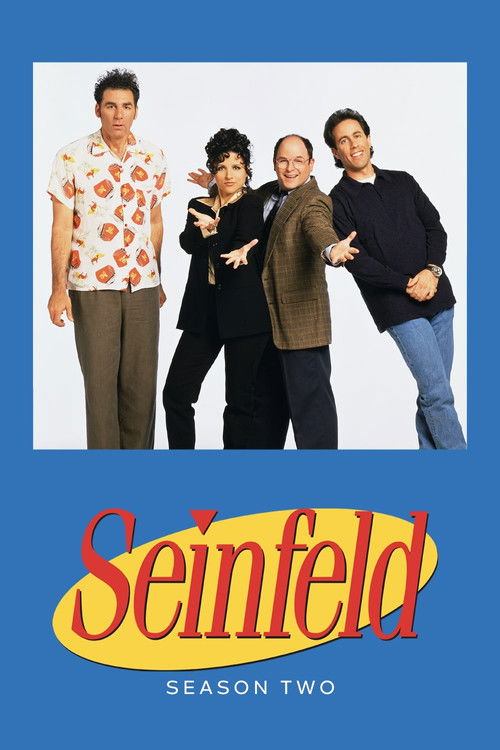
Seinfeld
Season 2 Analysis
Season Overview
No specific overview for this season.
Season Review
Categorical Breakdown
Characters are judged by their individual neuroses, self-centeredness, and petty social failures, which is a universal meritocracy of personal flaws. The narrative focuses on the observational humor of daily life, not on race or immutable characteristics. There is no vilification of 'whiteness' and no forced insertion of diversity; the core cast is homogeneous.
The humor is derived from the absurdities of navigating daily life and social etiquette in New York City. The show does not frame the home culture as fundamentally corrupt or racist. The primary conflict is interpersonal and trivial, showing gratitude for existing institutions like apartments and restaurants, treating them as shields against chaos.
The female lead, Elaine, is a working professional and an integral member of the group, but she is as deeply flawed, conniving, and selfish as the men, preventing a 'perfect Girl Boss' trope. The main males are consistently depicted as self-obsessed and incompetent, bordering on emasculation, which slightly raises the score. Motherhood appears in the plot through a baby shower, but is not demonized as a 'prison.'
The entire sexual focus of the season revolves around traditional male-female pairing, albeit in neurotic and highly unconventional romantic and sexual contexts (such as a 'friends-with-benefits' arrangement). There is no presence of alternative sexualities, gender ideology, or narrative deconstruction of the nuclear family as a social institution.
The show famously 'eschewing traditional sitcom tropes like... moral lessons' and operates from a perspective of fundamental amorality. The characters are governed by their own selfish neuroses and subjective social rules, not an Objective Truth or higher moral law. This pervasive moral relativism places the show far on the scale, though there is no explicit hostility or critique directed toward traditional religion.