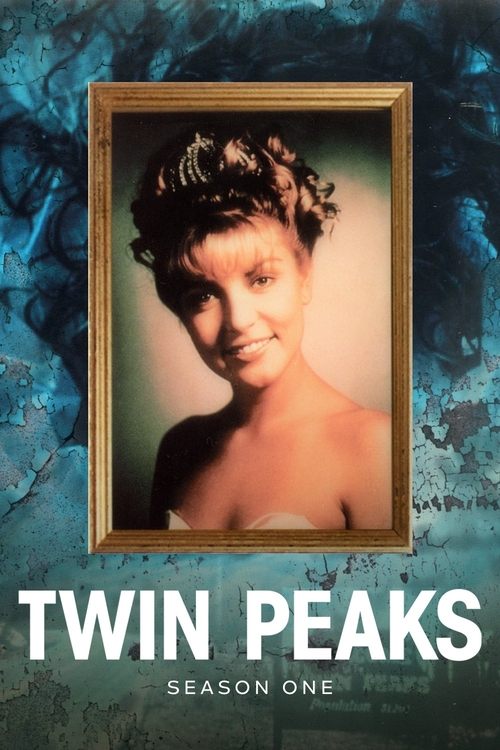
Twin Peaks
Season 1 Analysis
Season Overview
It turns out Twin Peaks is not like other towns, and soon FBI Agent Cooper becomes enmeshed with its quirky and mysterious residents.
Season Review
Categorical Breakdown
The cast reflects a historically authentic rural Washington town. Characters like Deputy Hawk are portrayed as highly competent and spiritually grounded, defined by their skills and loyalty rather than a lens of systemic oppression or victimhood.
Agent Cooper views the town and its quirks with genuine affection and admiration. The narrative celebrates local traditions, coffee, and community institutions, framing the FBI as a helpful partner to local law enforcement rather than an antagonistic force.
The series features women who are mysterious and multi-layered but avoids modern tropes. Male characters like Sheriff Truman and Agent Cooper are portrayed as highly competent, protective, and morally grounded leaders who respect the women in their lives.
The narrative focuses exclusively on traditional romantic dynamics and the nuclear family unit. Sexual identity is not used as a tool for political messaging or the deconstruction of social norms in this season.
The story acknowledges a spiritual realm and the existence of objective evil. It avoids mocking traditional faith, instead using mysticism to support a clear moral struggle between light and shadow, affirming a higher moral law.