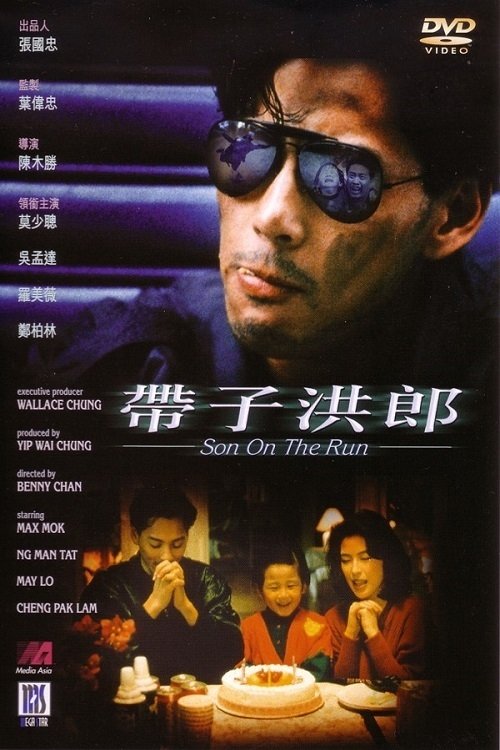
Son on the Run
Plot
Benny Mok and May Lo loved each other deeply as teenagers, but Benny was just a poor kid that May's rich father didn't approve of. So May's father used his wealth and power to separate the two lovers, forcing May to move to Canada.
Get the Weekly Woke Watchlist
New and trending movies scored for woke bias, preachy messaging, and forced political themes — before you waste your evening.
No spam. One useful email per week.
Overall Series Review
Categorical Breakdown
The core conflict is based on socio-economic class, not race or intersectional characteristics. The villain is vilified for being a wealthy snob and manipulator, not for being a 'white male' or part of any privileged identity group. The narrative champions the genuine love between two individuals, reinforcing the principle of universal meritocracy.
The film is a Hong Kong production and does not exhibit hostility toward Western civilization, its own culture, or national heritage. The villain's actions critique a specific social flaw—class snobbery—within the society, but this does not frame the home culture as fundamentally corrupt or racist. Institutions like the family are respected, even if the father is a bad actor.
The plot centers on a deep, sincere heterosexual romance. The male lead is depicted as emotionally devastated and an 'empty shell' after the separation, which is the opposite of male emasculation being celebrated. The female character is the object of sincere love and tragedy. The dynamic is complementarian, focusing on a strong emotional bond, with no signs of the 'Girl Boss' trope or anti-natalist messaging.
The story is a classic 'rich girl, poor boy' romance, firmly establishing a normative male-female pairing as the standard. The plot focuses on the traditional nuclear family structure, which the father attempts to control. There is no presence of alternative sexual ideologies, centering of non-heterosexual identities, or lecturing on gender theory.
The moral framework is objective: true love and sincerity are good, while classism and manipulation are evil. The film's conflict is based on a clear objective moral truth, not subjective 'power dynamics.' There is no evidence of hostility toward religion, specifically Christianity, a theme highly unlikely for a 1991 Hong Kong film focusing on class and romance.
Get the Weekly Woke Watchlist
New and trending movies scored for woke bias, preachy messaging, and forced political themes — before you waste your evening.
No spam. One useful email per week.