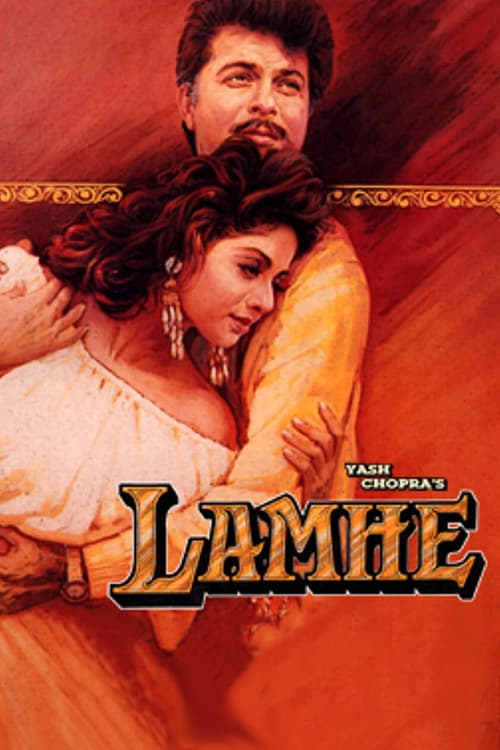
Lamhe
Plot
Viren falls for Pallavi, but she marries Siddharth. The couple dies, leaving behind their daughter, who grows up to look just like her mother and falls in love with Viren.
Get the Weekly Woke Watchlist
New and trending movies scored for woke bias, preachy messaging, and forced political themes — before you waste your evening.
No spam. One useful email per week.
Overall Series Review
Categorical Breakdown
Characters are judged entirely by their individual romantic feelings and emotional depth, not by intersectional identity or systemic oppression. The casting and character dynamics are focused on emotional connection and a social taboo, entirely bypassing modern identity politics.
The protagonist, an NRI raised in London, possesses a perspective on the age-gap romance that is presented as more enlightened, contrasting with the conservative 'social taboo' of traditional Indian society. The domestic culture is framed as holding onto a restrictive social norm, which the narrative challenges. However, the traditional supporting character is sympathetic, preventing outright vilification of the home culture.
The gender dynamics are subverted initially by the male lead falling for a woman older than him. The second half of the story is driven by the younger woman's sincere pursuit of the older man. The plot is not concerned with 'Girl Boss' tropes, emasculation, or anti-natal messaging; it focuses on a complex, passionate, and non-traditional romantic love story.
The story is a heterosexual romantic drama. The conflict revolves around a taboo related to age difference and family ties within a normative structure. The film contains no focus on alternative sexualities, gender ideology, or the deconstruction of the nuclear family from a queer theory lens.
The emotional stakes of the film are set against a backdrop of traditional Indian rituals and customs, and the narrative acknowledges the power of fate or 'destiny' in the tragic elements. The film is not concerned with attacking religion or promoting moral relativism, as the central moral conflict is social, not spiritual.
Get the Weekly Woke Watchlist
New and trending movies scored for woke bias, preachy messaging, and forced political themes — before you waste your evening.
No spam. One useful email per week.