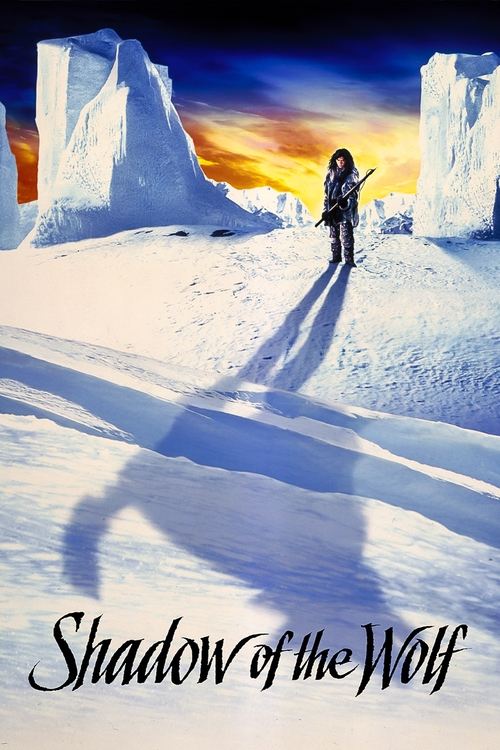
Shadow of the Wolf
Plot
In the 1930s, Agaguk lives his traditional Inuit life. But one day, there is a murder in the tribe and Agaguk becomes a suspect. Soon he becomes persecuted by Henderson, a mean mountie, and he must flee through the cold winter of Northern Quebec.
Get the Weekly Woke Watchlist
New and trending movies scored for woke bias, preachy messaging, and forced political themes — before you waste your evening.
No spam. One useful email per week.
Overall Series Review
Categorical Breakdown
The entire plot centers on the persecution of an Indigenous man by the white colonial structure, personified by an exploitative trader and a mean, dogged Royal Canadian Mounted Police officer. The white authority figures are depicted as evil or incompetent extensions of a corrupting system, while the non-white protagonist is the moral figure fleeing oppression. The narrative relies heavily on the hierarchy of race and systemic injustice.
The film's primary message is that the Western civilization's influence—in the form of commerce, law, and modernization—is fundamentally corrupting and destructive. It brings 'guns, liquor and exploitation' to the Indigenous culture. The narrative frames the Indigenous home culture as morally and spiritually superior to the encroaching Western system, which is the source of chaos and death.
The gender dynamic centers on a male-female pairing fleeing society to establish a traditional family unit in the wilderness. The female lead, Igiyook, is a supportive wife/partner whose role is one of shared survival and maintaining a home, not career ambition or 'Girl Boss' tropes. The primary male figure is protective and competent, not emasculated.
The narrative focuses exclusively on the traditional male-female pairing of Agaguk and Igiyook. Sexuality and family structure are normative, centered on their marriage and survival together. The film contains no evidence of centering alternative sexualities, deconstructing the nuclear family, or engaging with gender ideology.
The film's spiritual theme contrasts the traditional Inuit shamanism (represented by Agaguk's father, the angakkuq) with the secular, materialistic nature of the Western colonial presence. The conflict is not an attack on Christianity, but a defense of Indigenous faith/tradition against Western commercial and legal encroachment. Faith is treated as a serious source of cultural identity.
Get the Weekly Woke Watchlist
New and trending movies scored for woke bias, preachy messaging, and forced political themes — before you waste your evening.
No spam. One useful email per week.