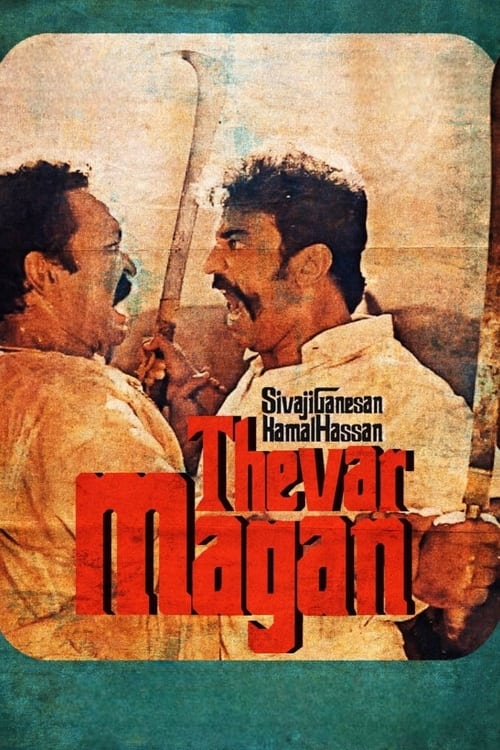
Thevar Magan
Plot
London-educated Saktivelu returns to India and wants to open a chain of restaurants in Chennai. His father, however, wishes that he would stay back and help the villagers.
Get the Weekly Woke Watchlist
New and trending movies scored for woke bias, preachy messaging, and forced political themes — before you waste your evening.
No spam. One useful email per week.
Overall Series Review
Categorical Breakdown
The narrative's focus is on the protagonist embracing and glorifying his specific dominant caste and patriarchal lineage. The character's ultimate acceptance of his identity as the 'Son of the Thevar' drives the plot, which is the reverse of the woke principle of vilifying dominant groups and lecturing on systemic oppression. Character destiny is tied to caste and family status, not intersectional privilege.
The protagonist chooses his ancestral home, traditional duty, and the preservation of his village's socio-political institutions over his modern, Western-influenced urban dream. The film directly validates the home culture, its ancestors, and its institutions as essential shields against chaos and rivalries, fitting the 'Gratitude & Chesterton’s Fence' description.
The story centers on the male protagonist’s transformation, shedding his soft, Westernized demeanor for a traditional, protective masculinity symbolized by a mustache and the adoption of his father's patriarchal leadership role. The narrative implicitly values the complementary roles of men as protectors and leaders. There is no depiction of 'Girl Boss' tropes or anti-natalist messaging.
The narrative is strictly focused on a traditional, heteronormative family and feudal structure. Sexual ideology is private and is not a factor in the plot or character development. The core unit celebrated is the nuclear and extended family in its traditional form.
The film’s central conflict resolves through the protagonist accepting his fate, duty, and the moral demands of his lineage, which aligns with the idea of Transcendent Morality and sacrifice over selfish desires. Traditional religion and rituals are present as part of the cultural context without being vilified as the root of evil.
Get the Weekly Woke Watchlist
New and trending movies scored for woke bias, preachy messaging, and forced political themes — before you waste your evening.
No spam. One useful email per week.