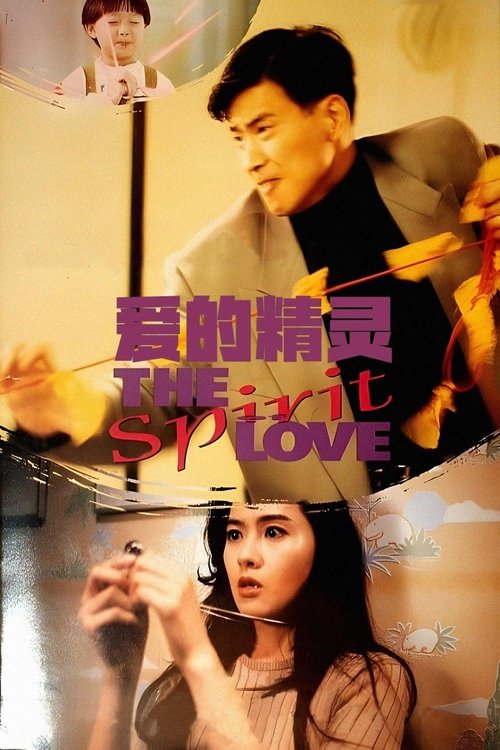
The Spirit of Love
Plot
Judging by her lavish home, a model is making a fortune doing TV commercials. When her boyfriend/boss comes over and tries to get romantic, the model begins seeing weird and scary visions. Visions of blood flooding her floor, and a three year old boy ghost. It seems that, three years earlier, she was pregnant and caught her husband athletically knocking off a blonde. Husband kicked her down the stairs, which causes her to abort. The ghost is evidently the aborted baby grown up. Back to the present day, hubby has teamed up with a new girl, and is trying to get back into the house and kidnap the boy ghost.
Get the Weekly Woke Watchlist
New and trending movies scored for woke bias, preachy messaging, and forced political themes — before you waste your evening.
No spam. One useful email per week.
Overall Series Review
Categorical Breakdown
The film is a Hong Kong production featuring an East Asian cast, making the categories of 'vilification of whiteness' and 'race-swapping' irrelevant. The conflict is entirely personal, focusing on infidelity, violence, and supernatural revenge, not systemic oppression or intersectional hierarchy. Characters are judged by their individual moral actions.
The film is non-Western media and offers no commentary or critique of Western civilization, home culture, or ancestors. The dramatic setting is contemporary domestic life, and the conflict stems from personal crimes, not civilizational self-hatred.
Male characters are consistently toxic and villainous. The ex-husband is an adulterer and is directly responsible for the female lead's forced abortion through violence, and the boyfriend/boss is also predatory. This fulfills the metric of depicting men as evil or toxic. The main female character is a victim whose primary conflict revolves around the trauma of a lost child, not a 'Girl Boss' narrative. However, the extreme negative portrayal of men pushes the score high.
The narrative centers on a traditional heterosexual context—infidelity, marriage, pregnancy, and abortion—as the source of all conflict. There is no presence of alternative sexualities, queer theory, gender ideology, or deconstruction of the nuclear family structure for ideological reasons (it is destroyed by violence and cheating, not theory).
The core plot mechanism is a ghost—the aborted child—who is an active, supernatural force of vengeance against its parents. This premise acknowledges a spiritual reality and a moral consequence for the sin of violence leading to death (abortion). This challenges moral relativism by asserting that a grave moral wrong has an objective, transcendent consequence. The violence and corruption of the characters are the source of evil, not a critique of traditional religion. However, the film's spiritual content is rooted in a non-Christian context and features dark supernatural themes, preventing a perfect low score.
Get the Weekly Woke Watchlist
New and trending movies scored for woke bias, preachy messaging, and forced political themes — before you waste your evening.
No spam. One useful email per week.