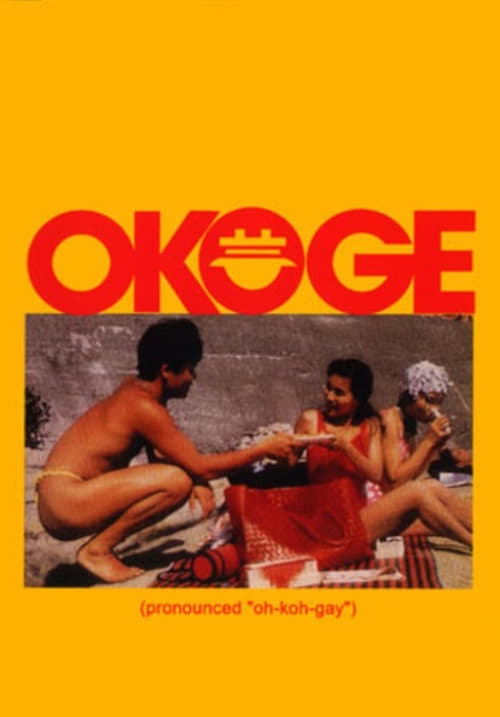
Okoge
Plot
A straight young woman living in Tokyo becomes involved in the lives of a gay man and his married lover.
Get the Weekly Woke Watchlist
New and trending movies scored for woke bias, preachy messaging, and forced political themes — before you waste your evening.
No spam. One useful email per week.
Overall Series Review
Categorical Breakdown
The film centers the plot on the struggle of an identity group—gay men and their female friend—against the cultural majority. The conflict comes from social bigotry and pressure related to sexual orientation. All characters are Japanese, meaning the narrative does not rely on Western intersectional race politics or the vilification of whiteness.
The narrative explicitly functions as an assault on Japanese cultural conformity, social bigotry, and traditional institutions like forced marriage and the corporate male-dominated structure. Traditional family figures, such as Goh’s mother and brother, reject Goh's identity, which the film presents as an act of 'obliteration' by the home culture. The film frames traditional societal structures as fundamentally oppressive and in need of rejection.
The female protagonist, Sayoko, shuns traditional heterosexual relationships and the pressure on independent women to marry. The wife of the married lover is portrayed as a vengeful figure who tears her husband’s secret life apart for his deviation from the expected husbandly role. The film champions the unconventional path and ends with the female lead and the gay male lead forming an anti-natalist, non-traditional family unit.
The entire plot exists to explore gay identity, life, and the oppression experienced by gay men in a rigid society. The narrative centers the alternative sexuality as the defining characteristic of the main characters and the primary source of conflict. The film actively deconstructs the nuclear family, showing the married man's life being destroyed and an alternative family unit being formed by the gay man and the straight woman.
The film’s main source of moral and social conflict is cultural conformity and family/societal pressure, not religious dogma. There is no evidence of anti-Christian or anti-theistic sentiment, nor is traditional religion portrayed as a root of evil. The morality in the film is centered on social acceptance and personal authenticity, not a spiritual vacuum.
Get the Weekly Woke Watchlist
New and trending movies scored for woke bias, preachy messaging, and forced political themes — before you waste your evening.
No spam. One useful email per week.