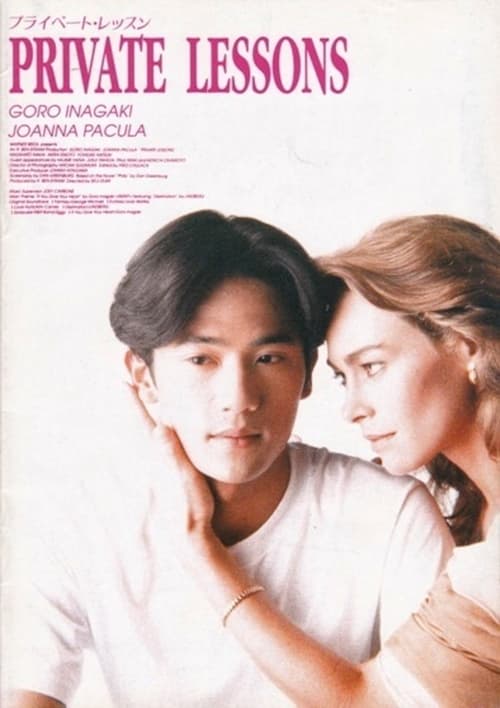
Private Lessons II
Plot
Ken, an insecure young man from Japan, meets Sophie, an interesting and sensual woman who teaches him the secrets of love and life.
Get the Weekly Woke Watchlist
New and trending movies scored for woke bias, preachy messaging, and forced political themes — before you waste your evening.
No spam. One useful email per week.
Overall Series Review
Categorical Breakdown
Characters are defined by a personal lack of confidence and sensual experience, not by race or intersectional hierarchy. The Japanese male is the insecure student, and the European female is the knowing mentor, which inverts a traditional dynamic but does not frame it as a lecture on systemic oppression or the vilification of any race. Merit and character development drive the story, not immutable characteristics.
The plot is focused on a personal, coming-of-age experience in a Japanese setting. There is no narrative hostility directed at Western civilization, institutions, or ancestors. The European character is a personal guide, not a tool for a civilizational critique of the West. The film does not engage in a self-hatred narrative concerning Western culture or its values.
The female lead, Sophie, is instantly a powerful, knowledgeable, and sensual figure who serves as the male protagonist's teacher and initiator. This strongly aligns with the 'Girl Boss' trope where the woman is a perfect, self-possessed agent, and the man is a bumbling, emotionally immature student. Her power and fulfillment are centered on her personal agency and sexuality, separate from any traditional family or motherhood roles.
The narrative centers on a singular, though non-traditional (older woman/younger man), heterosexual relationship. The focus remains on a male-female pairing and themes of seduction and love. There is no introduction, centering, or lecturing on alternative sexualities, queer theory, or gender identity ideology.
The film's focus on personal, secular 'secrets of love and life' and themes of eroticism implies that subjective experience is the ultimate moral guide for the characters. This suggests moral relativism over a transcendent moral law. However, there is no explicit hostility or open attack on religion, especially Christianity, preventing a higher score. Faith is simply irrelevant to the characters' pursuit of worldly experience.
Get the Weekly Woke Watchlist
New and trending movies scored for woke bias, preachy messaging, and forced political themes — before you waste your evening.
No spam. One useful email per week.