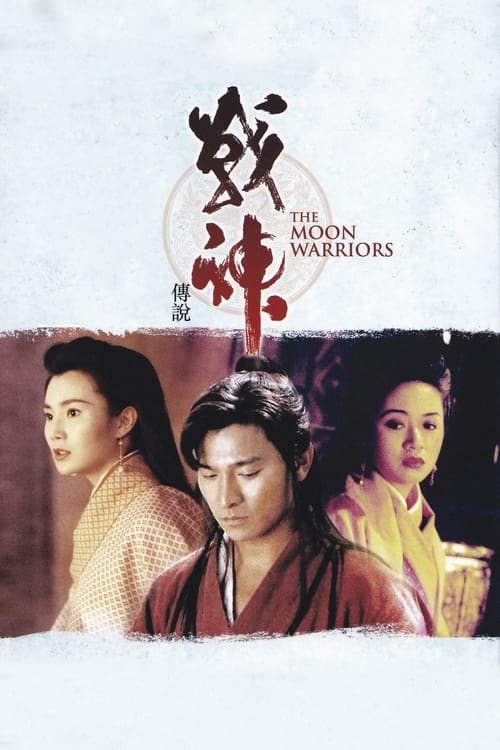
Moon Warriors
Plot
A kind-hearted fisherman, content with simple life, is reluctantly drawn into helping a noble emperor regain his throne from his evil brother.
Get the Weekly Woke Watchlist
New and trending movies scored for woke bias, preachy messaging, and forced political themes — before you waste your evening.
No spam. One useful email per week.
Overall Series Review
Categorical Breakdown
The movie is a Hong Kong production set in a fictionalized Ming Dynasty with an entirely ethnically Chinese cast. Characters are judged solely on their personal courage, kindness, honor, and wickedness, regardless of their social standing as fisherman or royalty. The narrative relies on universal human virtues and vices, not on race or intersectional hierarchy.
The setting is ancient China, and the conflict is an internal dynastic civil war. The fisherman Fei defends his home culture and way of life against the corrupt tyranny of the 14th Prince. The narrative celebrates the simple, honorable life of the common man, and the fight is to restore a noble imperial order, not to demonize the civilization itself.
Female characters, Princess Yuet-nga and Mo-sin, are skilled and powerful martial artists, acting as an 'Action Girl' trope. Their competence is balanced by central roles in a complex romantic love square, and their fates are tragic, demonstrating human vulnerability, not 'Girl Boss' invincibility. Masculinity is protective and heroic in the form of Fei.
The primary romantic plot is a heterosexual love triangle/square involving Fei, the Princess, the Prince, and the bodyguard Mo-sin. The family structure presented, while involving royalty and their betrothals, is the traditional male-female pairing. There is no representation or lecturing on alternative sexual identities or gender ideology.
The conflict is secular, a political and dynastic struggle with clear moral stakes. The narrative acknowledges concepts of good and evil, honor, and sacrifice. The film's conclusion contains a poetic reflection on death and legacy that points toward a transcendent moral or spiritual law, not moral relativism or hostility toward religion.
Get the Weekly Woke Watchlist
New and trending movies scored for woke bias, preachy messaging, and forced political themes — before you waste your evening.
No spam. One useful email per week.