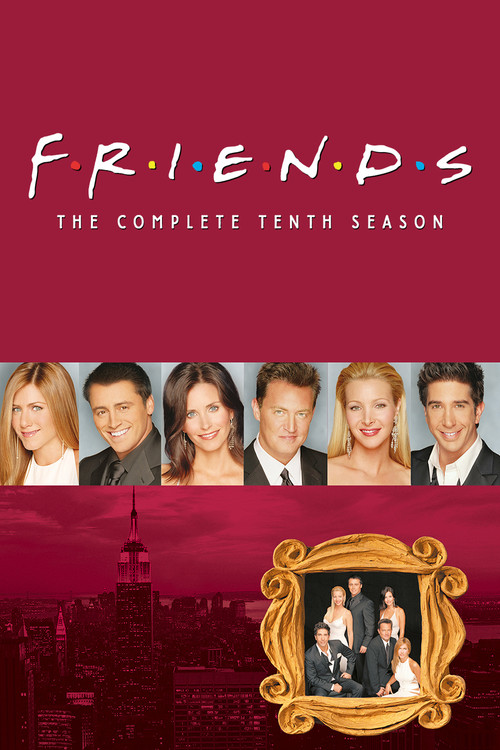
Friends
Season 10 Analysis
Season Overview
No specific overview for this season.
Season Review
Categorical Breakdown
The main cast remains entirely white, and the story contains no plot lines that lecture on racial privilege or systemic oppression. The brief presence of a non-white character dating Ross ends early in the season. Character is judged on personal flaws and quirks, not immutable characteristics.
Monica and Chandler's central storyline involves them moving from Manhattan to the suburbs to raise their adopted children. This celebrates the institution of the family unit and a traditional 'home' outside the city, affirming the value of foundational societal structures.
Rachel's ultimate decision is to sacrifice a major career promotion—a coveted job with Louis Vuitton in Paris—to get off the plane and reconcile with Ross. This resolves the central conflict in favor of romantic relationship and family over career fulfillment, running counter to the 'career is the only fulfillment' trope. However, the season continues the long-running series dynamic of emasculating male characters like Chandler and Ross for comedic effect.
The season centers entirely on the formation and solidification of three male-female pairings (Monica/Chandler, Phoebe/Mike, Ross/Rachel), who either marry or start a nuclear family. There is no centering of alternative sexualities or incorporation of gender ideology into the plot. Humour derived from male characters' anxiety over masculinity is present, carrying a mild mark from earlier seasons.
The narrative operates in a secular world, but it avoids any direct hostility toward traditional religion. Morality is generally centered on personal ethics and the emotional well-being of the core group, and faith is neither a source of strength nor a root of evil. The overall approach is one of a spiritual vacuum rather than active anti-theism.