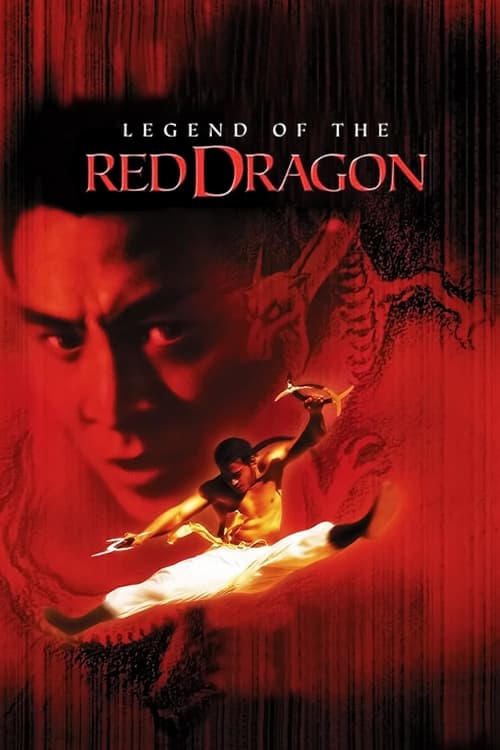
Legend of the Red Dragon
Plot
A young father and his infant son are beset by forces of evil and corruption. They wander China, upholding their sense of honor and protecting the weak. When they are forced into combat, spectacular and hilarious fast-motion kung fu sequences follow. In the end, they must call on all of their abilities in a battle royale, to attempt to vanquish a supernatural man-monster or die trying.
Get the Weekly Woke Watchlist
New and trending movies scored for woke bias, preachy messaging, and forced political themes — before you waste your evening.
No spam. One useful email per week.
Overall Series Review
Categorical Breakdown
The narrative is rooted in a historical conflict between Han rebels and the oppressive Manchu government forces. The core struggle is political and moral (oppressor vs. oppressed), not based on modern intersectional hierarchy. The hero is judged entirely by his merit and honor as a warrior and father.
The plot's inciting incident is the fiery destruction of the Shaolin Temple, which represents the hero's home and cultural institution. The entire struggle is driven by a desire to preserve the martial arts heritage and exact vengeance for the loss of the community, demonstrating a deep respect for ancestors and tradition.
The core dynamic is the stoic father training his son, which is a clear expression of protective masculinity. Female characters are central as wily, complicated con artists who later become vital, self-sacrificing allies. The focus on the father-son unit and the celebration of the mother's eventual protective sacrifice reinforces traditional, complementary gender roles without promoting anti-natalism or the 'Girl Boss' trope.
The primary focus is the formation of a male-female pairing alongside the existing father-son nuclear family structure. The film contains no commentary or focus on alternative sexualities, gender ideology, or the deconstruction of the traditional family unit. The morality adheres to a normative structure.
The heroes are fighting for the traditions of the Shaolin Temple, a spiritual and martial institution, which is depicted as a source of strength and honor. The struggle is between moral good and corrupt traitors, acknowledging a higher moral law where virtue is rewarded and evil is vanquished.
Get the Weekly Woke Watchlist
New and trending movies scored for woke bias, preachy messaging, and forced political themes — before you waste your evening.
No spam. One useful email per week.