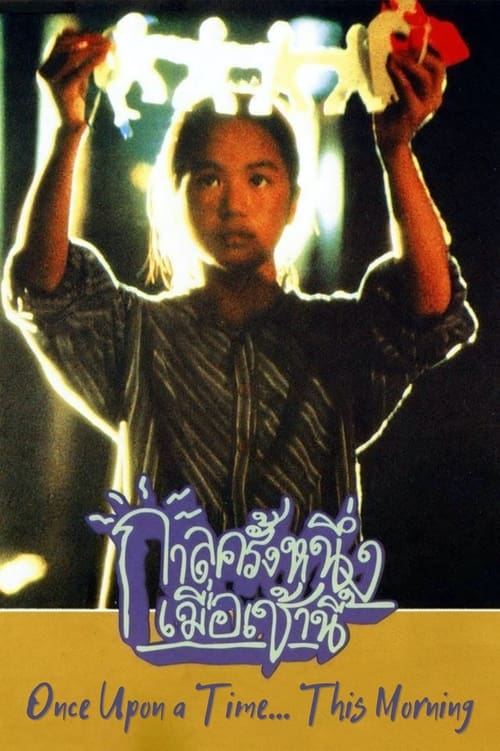
Once Upon a Time... This Morning
Plot
A middle-class couple are separating and the three kids are to stay with their bossy and resentful mother. Missing their beloved father, the kids run away to look for him – unaware that the baby's carry-cot contains a bag of pure heroin hidden by a street-kid during a police raid.
Get the Weekly Woke Watchlist
New and trending movies scored for woke bias, preachy messaging, and forced political themes — before you waste your evening.
No spam. One useful email per week.
Overall Series Review
Categorical Breakdown
The film's primary conflict is one of class and morality, contrasting the middle-class family with the criminal underclass involved in drug running. Character merit, particularly the father's devotion, is central to the narrative's moral compass. The film is Thai-centric and contains no elements of 'race-swapping' or 'whiteness' vilification.
The narrative's critique is focused on the 'less attractive aspects of western life' and modern corruption that is breaking apart the Thai family unit, such as the mother's careerism and the father's loss of the traditional suburban home. This is a critique of modern societal decay, not an outright demonization of the nation's core heritage or ancestors. The film ultimately champions the institution of the family as the essential shield.
The narrative's central conflict is caused by the mother's career ambition and resultant neglect, as she is described as 'bossy and resentful' and moving to the city for her magazine job. The father is portrayed as the superior parent—'devoted and patient'—whose traditional domestic role (bedtime stories, good cooking) is missed. This structure actively critiques the 'career-first' dynamic, which runs opposite to the 'Girl Boss' trope.
The film focuses entirely on the breakdown of a traditional male-female marriage and the nuclear family unit. There is no presence of alternative sexualities, gender ideology, or a critique of the nuclear family as an institution.
The plot centers on objective evils (drug running, child neglect, crime) and the transcendent good of family love. Themes revolve around innocence and tradition, including the father's 'paper-doll fairy tales.' There is no indication of hostility toward Christianity or any other religion, and morality is clearly presented as objective.
Get the Weekly Woke Watchlist
New and trending movies scored for woke bias, preachy messaging, and forced political themes — before you waste your evening.
No spam. One useful email per week.