Speed
Plot
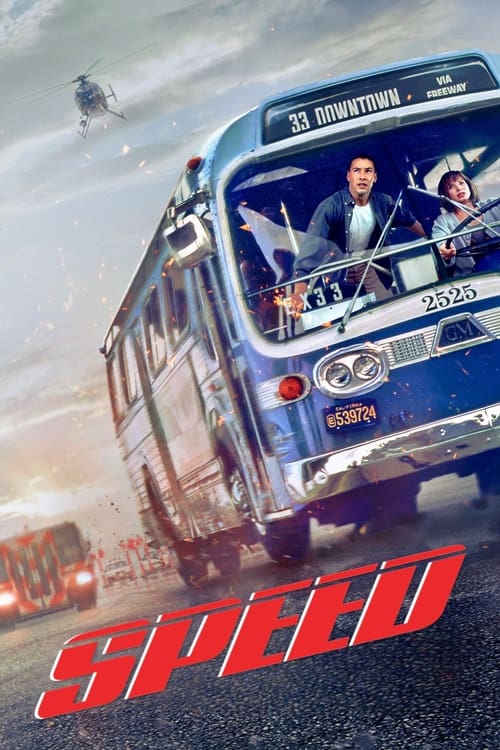
Tensions run high when a crazed bomber rigs a Los Angeles bus with a device that will kill everyone on board if the vehicle's speed dips below fifty miles per hour.
Get the Weekly Woke Watchlist
New and trending movies scored for woke bias, preachy messaging, and forced political themes — before you waste your evening.
No spam. One useful email per week.
Overall Series Review
Categorical Breakdown
Universal meritocracy drives the plot, where characters are judged by their immediate competence and bravery in a life-or-death scenario. The primary hero is a highly capable cop. The casting is naturally colorblind, reflecting the diversity of Los Angeles, but without forced insertion or focus on immutable characteristics. The villain is a disgruntled white male, but his villainy stems from his personal grievance over a lost pension, not his 'whiteness' or institutional evil.
The central heroes are dedicated members of a Western institution (LAPD) who are actively fighting to save the city and its citizens. The villain is a former member of a civil institution (bomb squad), but his anger is a highly personalized one concerning his forced retirement. The narrative validates the role of police and public service, framing institutions as shields against the chaos created by a single rogue individual.
The female lead, Annie Porter, is a capable, resourceful civilian who takes the wheel and becomes essential to the survival of the passengers. She is strong and decisive without being a 'Mary Sue' or fully emasculating the male hero, who is still the expert disarming the bomb and confronting the terrorist. The relationship is a partnership born of crisis, with no anti-natal or anti-family messaging present.
The narrative adheres to a normative structure. The film is a pure action-thriller with no focus on alternative sexualities, sexual ideology, or deconstruction of the nuclear family. Sexuality is private and not a factor in the plot or character development.
The film does not contain any spiritual or religious commentary. Morality is objective and clear: saving innocent lives from a madman is good. There is no hostility toward religion, and no Christian characters are depicted as villains or bigots.
Get the Weekly Woke Watchlist
New and trending movies scored for woke bias, preachy messaging, and forced political themes — before you waste your evening.
No spam. One useful email per week.