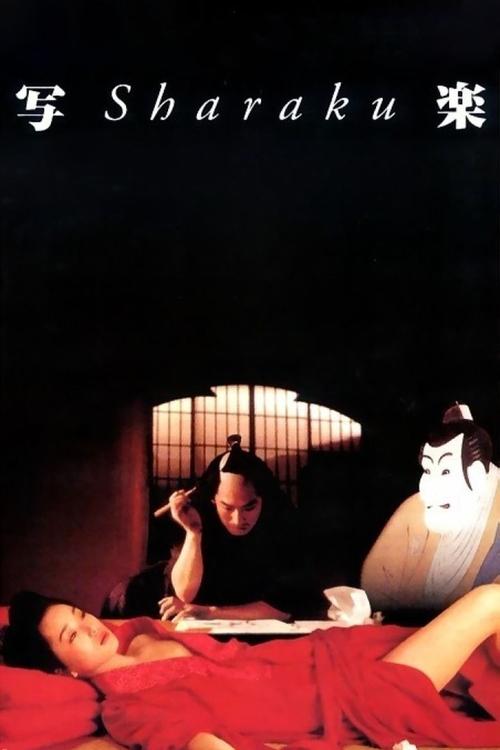
Sharaku
Plot
A crippled kabuki player is taken into a strolling company of itinerant actors. An influential publisher notices his honest, bold drawings, and nurtures him despite persecution and betrayal. The film explores the eternal relationship between artist and producer, and describes the emanicipation of a man who refuses to let himself become the plaything of power and money.
Get the Weekly Woke Watchlist
New and trending movies scored for woke bias, preachy messaging, and forced political themes — before you waste your evening.
No spam. One useful email per week.
Overall Series Review
Categorical Breakdown
The narrative places a crippled, lower-class artist against the powerful, established art world and political authority. This dynamic is a classic conflict of the outsider's merit versus institutional power. The focus remains on the content of the character's soul and their unique artistic vision rather than immutable characteristics. The film is a Japanese production set in 18th-century Japan, removing any context for 'whiteness' vilification or forced diversity.
The film's critical eye is aimed at the corruption and censorship of the *rōjū* (chief official) and the dog-eat-dog nature of the Edo art world, not the wholesale demonization of Japanese heritage. It explicitly celebrates the art and spirit of the persecuted creator, Sharaku, which serves as a shield for cultural vitality. The critique is internal and specific to an oppressive political regime's policies, not a blanket self-hatred of the civilization.
Female characters are strong and influential, such as Okan, the ex-courtesan who leads a troupe of street performers. However, their roles are historically grounded, not anachronistic 'Girl Boss' tropes. The film includes brutal portrayals of the subjugation of women in the era, such as a geisha's beating, which grounds the female experience in the harsh reality of the period and does not paint the female lead as a perfect, instantly capable 'Mary Sue.'
The narrative's central themes are historical art, politics, and social class. Although the film features kabuki actors (whose tradition involves men playing female roles), the plot does not center on modern sexual or gender identity as a source of political lecturing or social commentary. The primary romantic relationship depicted is heterosexual, reinforcing the normative structure without any deconstruction or focus on queer theory.
The conflict is centered on censorship of art by the government's social reforms, not religion. Traditional religion (Shinto or Buddhism) plays no significant, adversarial role in the narrative. The film embraces a kind of transcendent truth through art, as the artist's bold realism and uncompromising vision represent a higher moral law against the subjective power dynamics of the corrupt elite.
Get the Weekly Woke Watchlist
New and trending movies scored for woke bias, preachy messaging, and forced political themes — before you waste your evening.
No spam. One useful email per week.