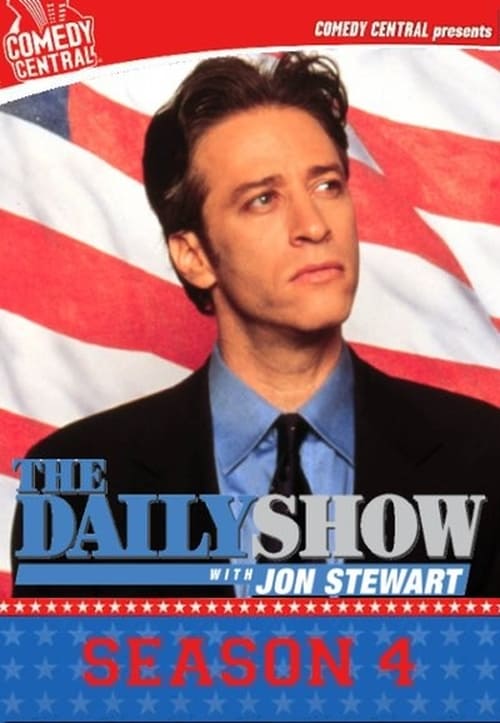
The Daily Show
Season 4 Analysis
Season Overview
No specific overview for this season.
Season Review
Categorical Breakdown
The narrative focuses almost entirely on the actions and hypocrisy of politicians and the media, not on intersectional hierarchies or the vilification of whiteness. Characters and correspondents function as satirical personas based on professional roles or political types, not as vehicles for lectures on privilege or systemic oppression. The casting of the original correspondents is merit-based for comedic talent, not forced diversity.
The satire targets the immediate failings of American political and media institutions, not the fundamental corruption of Western civilization itself. The tone expresses a disappointed idealism about the state of American governance and news. This criticism is an internal call for accountability, which respects the basic concept of the institution while scorning its current operators.
Female correspondents are featured as competent, sharp comedic journalists on par with their male counterparts, such as Nancy Walls and Beth Littleford. The show does not rely on the 'Girl Boss' trope of instantly perfect female leads or the consistent emasculation of male characters. Messaging regarding motherhood and family is absent, meaning there is no anti-natalist narrative present.
The show, as part of its liberal-leaning satire, mocks anti-gay sentiment expressed by religious and political figures, such as a segment parodying the Southern Baptist Convention's condemnation of the 'homosexual lifestyle'. This supports acceptance, but the commentary does not engage with modern 'queer theory' or 'gender ideology,' which were not major public topics at the time.
The program's main satirical target in this area is the hypocrisy of specific religious figures and organizations, not religion or faith as the root of all evil. The show is driven by a strong, albeit secular, sense of objective moral truth regarding political and media ethics. It critiques moral failures rather than attacking transcendent morality itself.