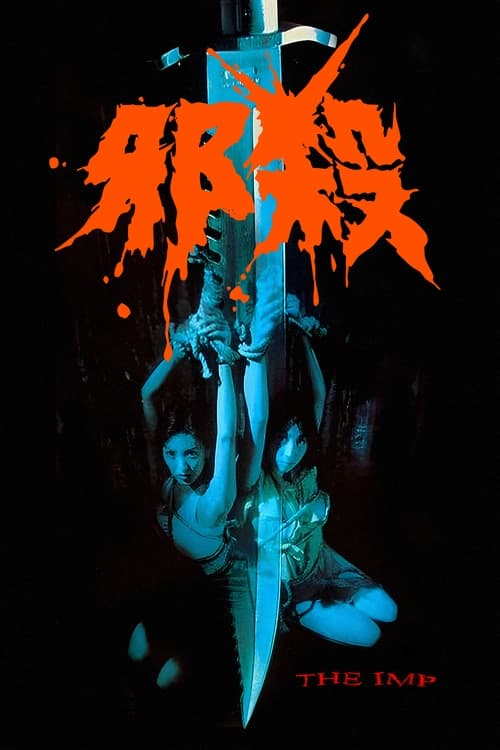
The Imp
Plot
Shan is in search of her twin sister who disappeared leaving nothing more than a native doll. Along the way she meets a mobile film crew. They discover that something isn't quite right with the boarding house in which they're staying.
Get the Weekly Woke Watchlist
New and trending movies scored for woke bias, preachy messaging, and forced political themes — before you waste your evening.
No spam. One useful email per week.
Overall Series Review
Categorical Breakdown
The film is a Hong Kong production with an entirely East Asian cast. The narrative revolves around a personal mystery and horror tropes, completely detached from Western discussions of race, privilege, or systemic oppression. Characters are defined by their actions within a local supernatural conflict, not by an intersectional hierarchy.
The horror is rooted in the dark side of local folklore, ancient rituals, and the isolated village culture. This is a deconstruction of specific local 'home' traditions as a source of malevolence. However, the film does not engage in civilizational self-hatred against Western culture, which is outside its scope as an Eastern exploitation film.
The main character's drive is the search for her twin, emphasizing familial loyalty. The film is overtly an exploitation feature, with the lead actress marketed as a 'sex siren' and her role functioning as a 'softcore sexfest' vehicle. The portrayal is sexualized and objectifying, the antithesis of the 'Girl Boss' trope or modern feminist messaging.
The primary antagonist is a psychopathic doctor who operates while disguised in women's clothing. This detail functions as a grotesque element of his pathology within the horror genre, not as a celebration or normalization of alternative sexual identity. The film centers on normative family and sexual dynamics, even if twisted by violence and exploitation.
The core of the horror involves dark, malevolent supernatural forces, local folk mythology, and occult rituals. The story features a clear transcendent conflict between good (the sister's rescue) and evil (the ritualistic violence). The film does not target traditional religion, particularly Christianity, as the source of evil, but rather utilizes local pagan-like folklore for its horror elements.
Get the Weekly Woke Watchlist
New and trending movies scored for woke bias, preachy messaging, and forced political themes — before you waste your evening.
No spam. One useful email per week.