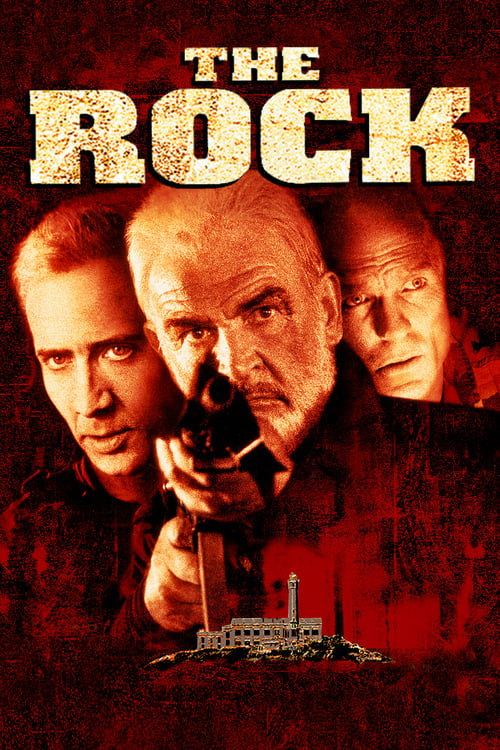
The Rock
Plot
When vengeful General Francis X. Hummel seizes control of Alcatraz Island and threatens to launch missiles loaded with deadly chemical weapons into San Francisco, only a young FBI chemical weapons expert and notorious Federal prisoner have the skills to penetrate the impregnable island fortress and take him down.
Get the Weekly Woke Watchlist
New and trending movies scored for woke bias, preachy messaging, and forced political themes — before you waste your evening.
No spam. One useful email per week.
Overall Series Review
Categorical Breakdown
Characters are defined by their specialized skills (FBI chemist, SAS spy, Force Recon General) or moral actions, demonstrating a complete universal meritocracy. Race is irrelevant to the plot and the casting is colorblind; there is no vilification of 'whiteness' or forced insertion of diversity. The core conflict is based on governmental corruption versus a heroic attempt to expose the truth.
The narrative's central critique is directed at the US government and military bureaucracy for secretly abandoning dead soldiers' families, not at the culture or nation itself. The heroes are working to save San Francisco, a major American city, from an attack. The institution is shown to be ethically corrupt, but the action is fundamentally a defense of the citizenry and a fight for the patriotic honor of the fallen, not a self-hatred of Western civilization.
The female characters primarily serve to provide the protagonists with a personal, familial stake. Goodspeed's fiancée is pregnant, and the ending is a celebration of marriage and the future child. Mason's motivation is rooted in connecting with his estranged daughter. There are no 'Girl Boss' or 'Mary Sue' figures; the two primary action heroes are men, and masculinity (both cerebral and rugged) is protective and necessary to save lives.
The narrative adheres strictly to normative structures. The protagonist's personal drive is based on his heterosexual relationship and the anticipation of his nuclear family. There is no presence of alternative sexualities, gender ideology, or deconstruction of the traditional family unit, aligning with the lowest possible score for this category.
The morality of the movie is objectively clear: killing 80,000 civilians is evil, and saving them is good. Faith or religion is not a source of conflict or a target of hostility. The final scene uses a church as a neutral location where a secret is hidden, signifying no hostility toward the institution of religion.
Get the Weekly Woke Watchlist
New and trending movies scored for woke bias, preachy messaging, and forced political themes — before you waste your evening.
No spam. One useful email per week.