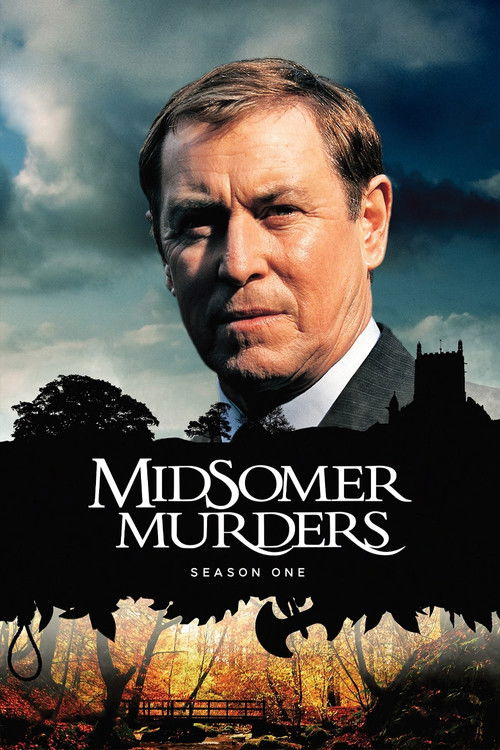
Midsomer Murders
Season 1 Analysis
Season Overview
No specific overview for this season.
Season Review
Categorical Breakdown
Characters are judged solely by their character flaws, such as greed, jealousy, and betrayal, which are the motivations for murder. The cast is overwhelmingly white, reflecting the isolated rural setting, with no evidence of 'race-swapping' or narrative vilification of 'whiteness.' The investigation is a purely merit-based application of logic and hard work.
The show reinforces a visual sense of 'English idyll' and cultural heritage, using the picturesque setting as a necessary counterpoint to the shocking evil that occurs within it. The narrative criticizes the moral failure and decadence of the gentry and village elite, which is an internal cultural critique (decadence vs. thrift) and not a wholesale demonization of Western civilization.
The core dynamic is centered on the male lead, DCI Barnaby, who is a competent, protective family man. His wife, Joyce, is a traditional domestic figure. The narrative avoids 'Girl Boss' tropes entirely and does not lecture on the prison of motherhood or the superiority of career fulfillment for women.
Alternative sexualities, including 'gay sex and sado-masochism,' are referenced in the context of scandalous, hidden motives for murder in one episode (Death in Disguise). However, this is presented as a private secret that drives the plot, not a public political statement. The protagonist's traditional nuclear family structure is the standard without any 'queer theory' deconstruction or promotion of gender ideology.
The underlying structure of the mystery genre itself acknowledges an objective moral truth—that murder is wrong—which DCI Barnaby's investigation seeks to uphold. While church and religion are part of the village fabric, they are neither the root of the evil nor are Christian characters specifically villainized or portrayed as bigots. The evil is rooted in timeless human vice.