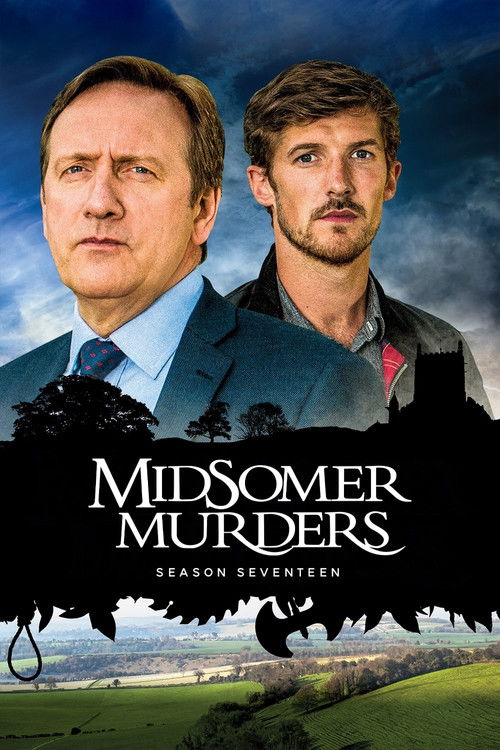
Midsomer Murders
Season 17 Analysis
Season Overview
No specific overview for this season.
Season Review
Categorical Breakdown
The narrative focuses on universal human vices such as greed, jealousy, and inheritance disputes. Characters are judged by their actions and motivations, not by immutable characteristics. A few non-white actors appear in guest roles, reflecting standard casting without the plot centering on race or systemic oppression.
The series perpetually deconstructs the facade of the perfect English village, revealing corruption and dark secrets beneath the idyllic surface. This highlights the rot within local institutions but does not extend to an explicit vilification of Western civilization itself. One episode explores a conflict where ancient pagan customs clash with an established English institution (the church).
DCI Barnaby's wife, Sarah, is a successful headmistress and the season celebrates her new motherhood with the birth of their baby. The chief pathologist is a confident and competent professional, Dr. Kate Wilding. Male characters remain strong, central figures without being broadly depicted as bumbling or toxic.
The season's four mysteries revolve around heterosexual relationships, infidelity, and traditional family conflicts. Alternative sexualities or gender ideology are not a featured element of the plot, nor is the nuclear family structure challenged as oppressive.
One key episode features a significant plot point where an evangelical Christian curate is shown sending hate mail and framing a tragedy as 'God's vengeance' due to a conflict with local pagan traditions. This storyline portrays the traditional Christian figure as a judgmental villain and the source of antagonism, scoring highly in its direct criticism of religion.