Midsomer Murders
Season 18 Analysis
Season Overview
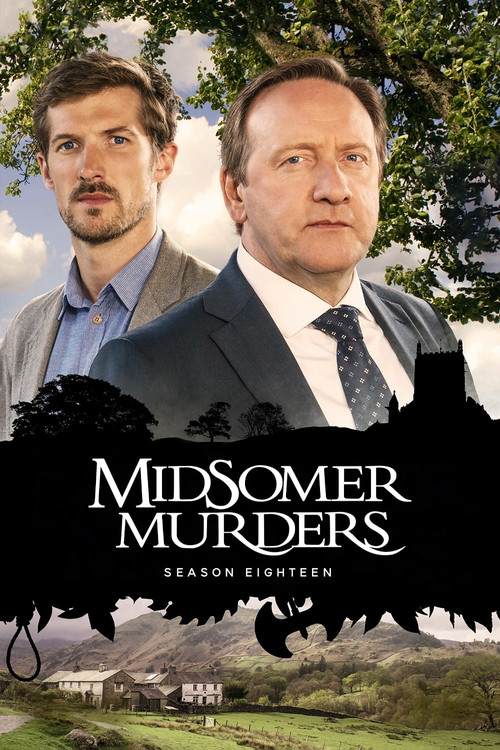
Joining the team this series is a new pathologist Dr Kam Karimore who will assist Barnaby and Nelson as they tackle intricate murder mysteries in the beautiful but deadly countryside of Midsomer. Storylines include body snatching, competitive cycling and the sighting of UFO's over Midsomer County.
Season Review
Categorical Breakdown
The show introduces Dr. Kam Karimore as the new regular pathologist following a controversy over the show's lack of ethnic diversity. This action is a direct political response to perceived systemic whiteness in the show. However, the narrative does not focus on lecturing on privilege or vilifying whiteness; characters, including wealthy businessman Sonny Desai and Dr. Karimore, are judged by their role in the mystery. The score reflects the clear, politically motivated move to insert diversity into a key regular role.
The narrative continues the show's long-established tradition of exposing the corruption, feuds, and dark secrets hidden beneath the idyllic facade of the English countryside and its institutions. This deconstruction focuses on the moral failings of individuals (greed, jealousy, revenge) within the community, such as a wealthy family's generational trauma or a vicar's scam, rather than framing the entire Western civilization or English heritage as fundamentally racist or corrupt. The score is low because the hostility is toward individual hypocrisy, not the civilization itself.
New pathologist Dr. Kam Karimore is written as a 'super efficient' and 'brilliant at everything' character, fitting the 'Mary Sue' or 'Girl Boss' trope who instantly and perfectly surpasses her predecessors and colleagues. The main male lead, DCI Barnaby, remains competent and family-oriented, which balances the score. The score reflects the portrayal of the female professional as instantly perfect, without a development arc or realistic flaws.
The first episode features two male characters, a doctor and an undertaker, who 'live together' and are established as a couple within the village's community dynamics. The pairing is presented as a normal, established fact of village life, consistent with later-season trends of integrating non-traditional sexualities without explicit political focus or deconstructing the nuclear family as oppressive. The score is moderate for the non-normative *structure* but low for the *intensity* of the 'Queer Theory Lens.'
The season features key plots around Christian figures, including a female vicar suspected of an affair and another vicar running a historical fraud (a 'false Cicely scam') to save his church's reputation. This continues the series' long-running pattern of portraying clergy as compromised, eccentric, or criminal. The Church and its representatives are depicted as a source of corruption and deceit, not transcendent morality or strength, warranting a high-middle score for its consistent hostility toward organized religion as an institution.