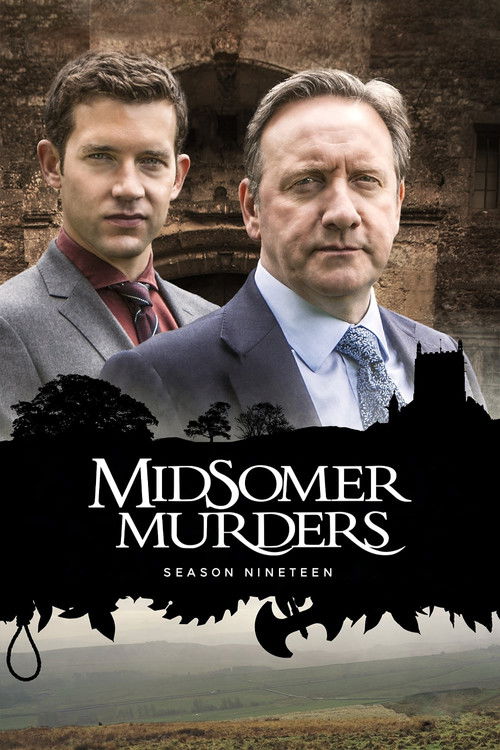
Midsomer Murders
Season 19 Analysis
Season Overview
No specific overview for this season.
Season Review
Categorical Breakdown
The core detective duo consists of two competent white males, DCI Barnaby and the new DS Winter. Pathologist Dr. Kam Karimore, a woman of South Asian descent, is a highly competent professional whose identity is incidental to her role and the plot. The narrative judges characters based on individual actions and traditional motives, not intersectional hierarchy or privilege. There is no lecturing on systemic oppression or vilification of whiteness.
The show's entire premise is a cozy-but-dark deconstruction of the English village idyll, showing it as a locus of murder and dysfunction. This inherent structure critiques local institutions like the extreme 'Bleakridge Watch' and pits tradition ('Living Museum') against progressive idealism ('Eco-village') in plotlines, leading to murder. However, the critique is generally of human corruption, secrets, and greed within the setting, not an ideological demonization of English heritage or Western civilization itself.
DCI Barnaby's wife, Sarah, a professional headmistress, and Dr. Kam Karimore, the pathologist, are both competent women in their fields. The new DS is male and capable, avoiding the trope of the emasculated male sidekick. One subplot features a wife who is grateful for the death of her abusive husband, framing a toxic family unit as a source of tragedy. Women are not presented as universally perfect 'Girl Bosses,' nor is there explicit anti-natalist messaging; competence is balanced across genders.
The season contains no discernible plots that center on or promote alternative sexual or gender ideology. References to sexuality remain private, with one episode containing a brief mention of a subplot involving 'light-bondage moonlighting antics.' The primary structure is based on a normative male-female pairing in the main cast (Barnaby and wife Sarah, with a newborn) and focuses on traditional family dynamics (adultery, lineage, secrets) as crime motivators.
Crimes are rooted in timeless secular motives such as greed, envy, and revenge. The murders are often tied to village institutions like Neighbourhood Watches, cricket clubs, or property disputes, not organized religion. Traditional faith is not presented as the root of evil, nor are religious characters specifically depicted as bigots or villains; the show maintains a general moral framework acknowledging objective wrongs (murder).