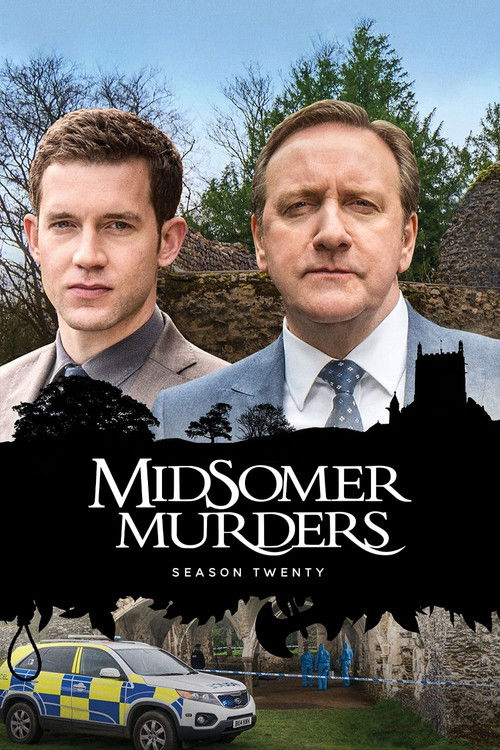
Midsomer Murders
Season 20 Analysis
Season Overview
No specific overview for this season.
Season Review
Categorical Breakdown
The casting is clearly color-conscious, featuring non-white characters in multiple central roles as victims, suspects, and partners. The narrative uses classic crime-drama motives like insurance fraud and revenge, not race or systemic oppression, as the source of conflict. The diversity is visibly present but is not the subject of a political lecture.
The central premise of the series is the deconstruction of the British rural idyll, with every village revealing murder and perversity under its surface. One episode focuses on a historical 'curse' stemming from an unjust execution at an abbey, framing a piece of English heritage as fundamentally dark and corrupt. The constant exposure of the local community's moral rot earns a moderately high score.
The new pathologist is introduced as a brusque, non-deferential, and highly competent professional, which is a mild 'Girl Boss' archetype. However, the narrative also subverts modern tropes by featuring a female character whose alcoholism is the source of severe domestic abuse and toxic behavior toward her male partner and step-children, balancing the score in the low-mid range.
Alternative sexualities are a central plot element in multiple episodes. One murder is motivated by a same-sex couple's insurance fraud scheme, and another episode devotes significant time to a normalized male-male relationship between two key community figures. The inclusion of multiple, normalized same-sex couples in key narrative roles is a high score, though it avoids the maximum as it does not address gender ideology.
Religious institutions, such as the historical abbey, are not depicted as a source of transcendent morality but as the historical setting for murder and a lingering curse that affects the modern village. The show's morality is fundamentally humanistic and secular, with faith groups often serving as a front for dark secrets. This structural cynicism toward traditional faith earns a middle-range score.