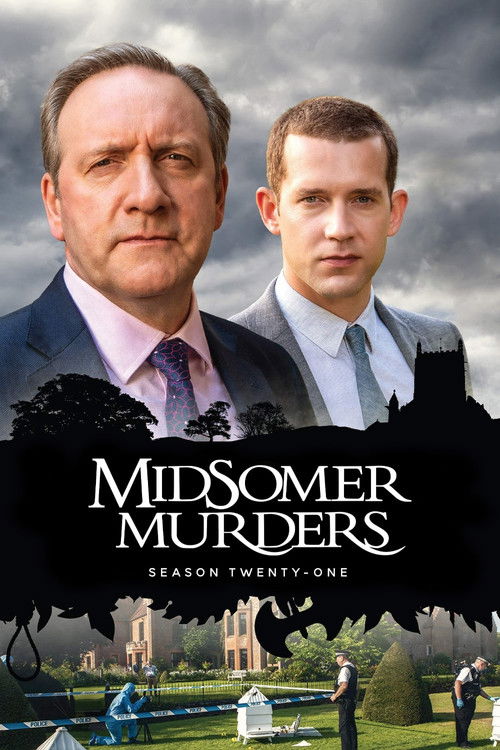
Midsomer Murders
Season 21 Analysis
Season Overview
No specific overview for this season.
Season Review
Categorical Breakdown
The casting includes more diversity, which is a modern production choice. Characters are not generally judged by immutable characteristics. The narrative does not focus on privilege or systemic oppression, with the villains being corrupt individuals from various backgrounds driven by traditional motives like jealousy and inheritance disputes.
The central premise of Midsomer Murders is the constant exposure of secret greed and murder in the idyllic English village. This deconstructs the pastoral facade but is a long-standing characteristic of the show's dark comedy, not a new condemnation of Western heritage. Institutions are consistently shown to be filled with corrupt individuals, but the nation itself is not framed as fundamentally racist or evil.
DCI Barnaby and DS Winter are the competent male leads. The female characters, such as pathologist Dr. Fleur Perkins, are highly competent professionals but do not exhibit the 'Mary Sue' quality of instant perfection. The family unit of the Barnabys remains stable. The season contains no explicit anti-natalist or anti-male messaging.
As with many Midsomer seasons, the narrative includes 'amusing sexual deviants' and non-traditional relationships as part of the eccentric mix of human behavior that leads to murder. However, the season does not center sexual identity as the most important trait, and there is no direct lecturing on gender ideology or framing biological reality as bigotry.
The plot points are almost exclusively secular, focusing on local business, hobbies, and personal feuds. Traditional religion is not a central theme, and there are no instances of Christian characters being vilified or portrayed as inherent bigots, leading to a score that reflects an absence of this theme.