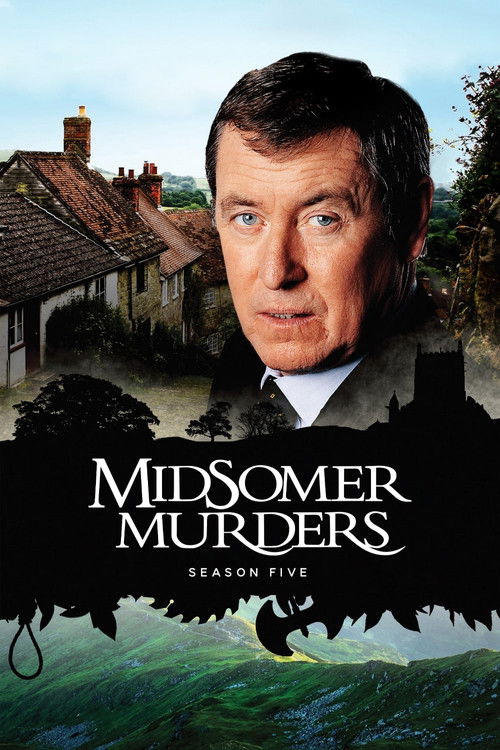
Midsomer Murders
Season 5 Analysis
Season Overview
No specific overview for this season.
Season Review
Categorical Breakdown
Characters are judged solely by their actions and participation in crimes like greed, adultery, and blackmail. There is no focus on race, immutable characteristics, or intersectional hierarchy in the plots. The cast reflects the local demographic without any forced insertion of diversity or vilification of 'whiteness' to serve a political narrative.
The series' formula exposes the moral decay and 'seedy world' of affluent English villages. However, this is a critique of the individual moral corruption of the inhabitants, not a condemnation of Western civilization, heritage, or national identity as fundamentally corrupt. The beauty and institutions of the village (church, manor houses, schools) are presented as a respected setting for the drama, not targets for deconstruction.
Female characters hold prominent positions, such as the manager of large estates and the leaders of an investment club, but they are often antagonists, morally compromised, or victims of complex circumstances, not perfect 'Girl Boss' figures. The plot does not contain anti-natalist messaging, with one episode directly addressing the personal tragedy of infertility. Gender dynamics are complex and rooted in infidelity, not a simplistic 'men are toxic, women are perfect' dichotomy.
The plots center on normative structures of traditional male-female pairings, primarily through the classic crime motifs of adultery and the breakup of heterosexual marriages. There is no presence of 'Queer Theory,' gender ideology, or centering of alternative sexualities as a central political theme or narrative device.
One episode focuses on a rivalry among church bell ringers, but the motive for murder is competition and village animosity, not hostility toward the Christian faith itself. The narrative upholds objective moral truths (the pursuit of justice and the identification of a guilty party) without engaging in moral relativism or portraying religious characters as inherent bigots or villains.