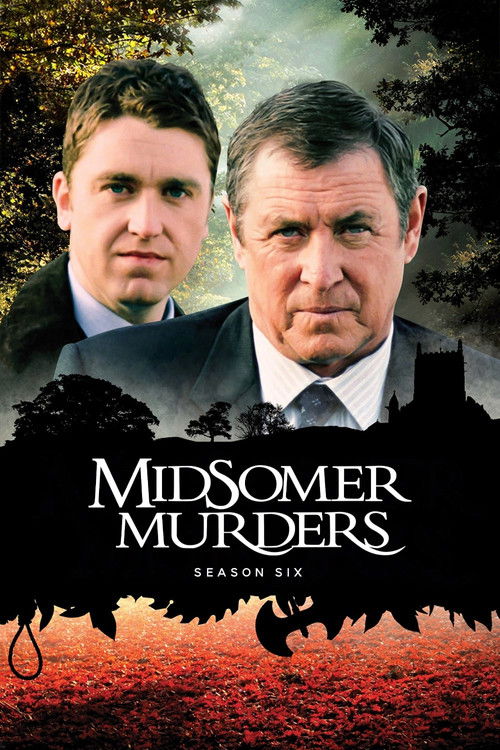
Midsomer Murders
Season 6 Analysis
Season Overview
No specific overview for this season.
Season Review
Categorical Breakdown
The narrative universally applies meritocracy; characters are defined by their personal moral choices, secrets, and financial situations, not by race or immutable characteristics. The cast reflects the historically authentic setting of a white, rural English county, and no attempt is made to lecture on privilege or systemic oppression based on identity.
The show finds endless corruption, decadence, and deceit within the institutions and long-established families of rural England. This exposure of hypocrisy critiques local failings, but the fundamental aesthetic remains a nostalgic celebration of the English countryside and its heritage. The stories frame the detectives as restoring order to a disrupted idyll, which honors the desire for a functional society.
DCI Tom Barnaby is the central, competent authority, and his subordinate is a male sergeant. The female characters, including murder victims and suspects, are portrayed in various roles, often relating to affairs, financial motivation, or family secrets. There are no 'Girl Boss' leads or narratives suggesting that motherhood is a 'prison,' and gender dynamics adhere to a traditional, complementarian structure typical of the early 2000s.
Sexual identity is not centered as a primary trait or political focus. The relationships explored are overwhelmingly the traditional male-female pairing, with conflicts arising from heterosexual philandering and divorce being common plot elements. The nuclear family structure is the standard social unit, and there is no overt presence of queer theory or gender ideology lecturing.
While the series frequently exposes the hypocrisy of religious figures, such as a corrupt vicar's family being central to a plot, it does not frame traditional religion as the root of all evil. The series maintains an objective moral framework where murder is a definitive wrong, which grounds the show in a transcendent, higher moral law that Barnaby works to uphold.