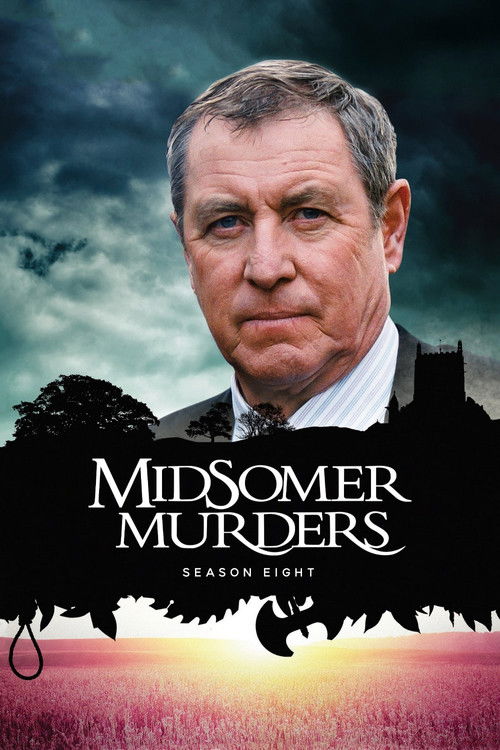
Midsomer Murders
Season 8 Analysis
Season Overview
No specific overview for this season.
Season Review
Categorical Breakdown
Characters are judged by their actions and secrets; immutable characteristics are not a narrative focus. Casting overwhelmingly favors a historically authentic portrayal of a non-diverse, rural English county. A non-white character in one episode is featured as a criminal smuggler, which does not constitute a lecture on systemic oppression.
The series constantly showcases and aestheticizes traditional English village life, from rowing regattas to stately homes. The corruption exposed is of the individuals, not the institutions or the civilization as a whole. The show respects the setting and its heritage, framing it as a place of beauty, albeit one filled with secret malice.
DCI Barnaby is the central, competent authority, while his wife, Joyce, operates in a traditional, supportive role. Female characters are often the murderers or victims, driven by traditional motivations like jealousy or money. There is no evidence of a 'Girl Boss' trope or a systematic emasculation of male characters, or any anti-natalist messaging.
The core of the show’s relationships is the normative male-female pairing, and the plots revolve around conventional heterosexual jealousy and illicit affairs. Sexual ideology or queer theory is completely absent from the narrative focus. The structure adheres to a traditional understanding of the nuclear family as the standard.
Moral crimes are treated as violations of an objective moral law, providing a transcendent framework for justice. The first episode deals with a spiritualist church and the greed of its practitioners, not a broad attack on Christianity. Faith is not presented as a root of evil, but rather individual human greed is.