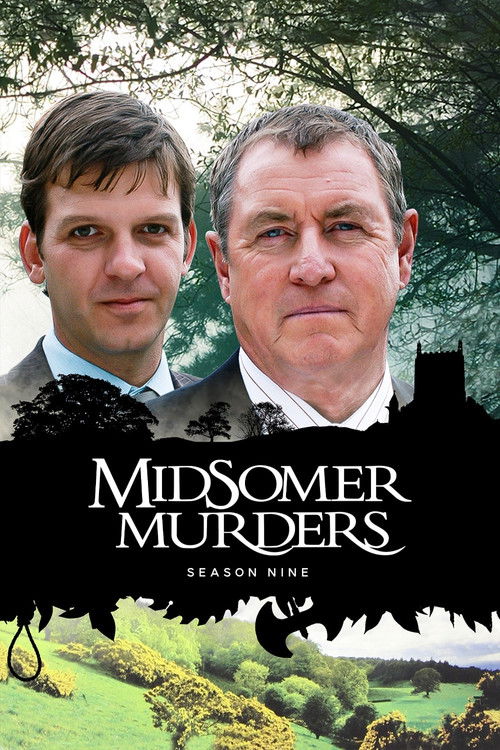
Midsomer Murders
Season 9 Analysis
Season Overview
No specific overview for this season.
Season Review
Categorical Breakdown
Characters are judged by their actions, with the villains being black-mailers, adulterers, or bullies regardless of their social standing. The primary detective, a white male, is competent and solves the case based on merit. The casting is colorblind/historically authentic to the rural English setting, with no forced insertion of diversity or vilification of 'whiteness' as an immutable characteristic.
The series is celebrated for its 'nostalgic construction of Englishness' and the picturesque rural idyll. While the plots reveal the hypocrisy and dark secrets of the villagers, the narrative respects the cultural heritage and traditional institutions (e.g., cricket clubs, local government) as the cherished setting for the drama. The narrative structure revolves around restoring order to the community.
DCI Tom Barnaby is the central, competent male lead, and his wife and daughter are depicted in traditional supportive roles or pursuing independent lives without a 'Girl Boss' mandate. Female characters in the plots are complex, being victims, murderers, or co-conspirators motivated by classic human desires like money and passion. There is no anti-natalist or emasculating messaging.
The plots center entirely on traditional relationship structures, including marriage, divorce, and adultery, as the source of human drama and crime. The series precedes the cultural shift toward centering alternative sexualities or gender ideology, and the narrative treats sexuality as a private matter relevant only to the crime's motive.
The series is overwhelmingly secular, with crimes motivated by tangible, earthly concerns: greed, lust, and revenge. Religion is generally absent as a source of strength or a root of evil. The focus on upholding objective law by catching the killer acknowledges a transcendent moral framework where murder is objectively wrong.