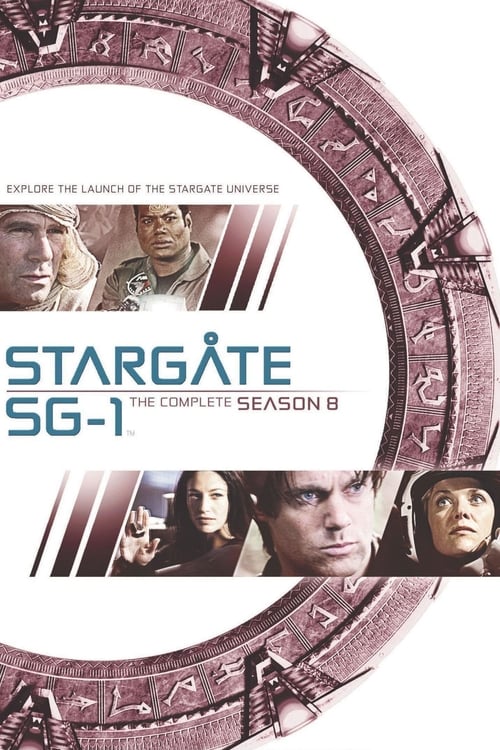
Stargate SG-1
Season 8 Analysis
Season Overview
With Jack still in stasis in the Ancient outpost buried in Antarctica, SG-1 tries to contact the Asgard. Meanwhile their new leader, Dr. Elizabeth Weir, tries to decide what to do about a request for peace talks from the Goa'uld System Lords.
Season Review
Categorical Breakdown
The narrative remains focused on meritocracy and competence, not immutable characteristics. The primary non-white character, Teal'c, sees his people achieve self-determination through military and moral effort, a universalist theme, not one centered on intersectional hierarchy. The cast composition is stable, and there is no vilification of 'whiteness' as a category.
The plot strongly frames Earth, specifically the SGC, as the technologically and morally superior defender of the galaxy against tyrannical aliens. Institutions like the Air Force and international cooperation are depicted as necessary shields against chaos. The ancestors (the Ancients) are revered for their power and legacy, and there is no deconstruction of Western heritage or demonization of the home culture's foundation.
Samantha Carter is promoted to Lieutenant Colonel and takes command of SG-1, an elite military unit, which is an explicit elevation to a top 'Girl Boss' role based on her established competence. The civilian command of the SGC is given to Dr. Elizabeth Weir, another strong female leader. The primary male lead, O'Neill, is moved to a desk job as a General, diminishing the masculine field leadership role. Carter also ends her engagement to a civilian man to maintain her career focus, subtly reinforcing an anti-natal/anti-family message.
The season contains no explicit or implicit content relating to alternative sexualities, gender ideology, or the deconstruction of the nuclear family. The primary romantic tension remains the traditional male-female pairing of Carter and O'Neill, with a brief heterosexual engagement for Carter being dissolved, making the structure normative.
The conflict is against the Goa'uld, who are false, parasitic gods using religion for power and oppression. The show consistently promotes the rejection of this false idolatry and the embrace of freedom and objective truth. The existence of the Ascended Ancients reinforces the idea of a transcendent, higher moral law, not moral relativism, and there is no hostility directed toward traditional Western religion.