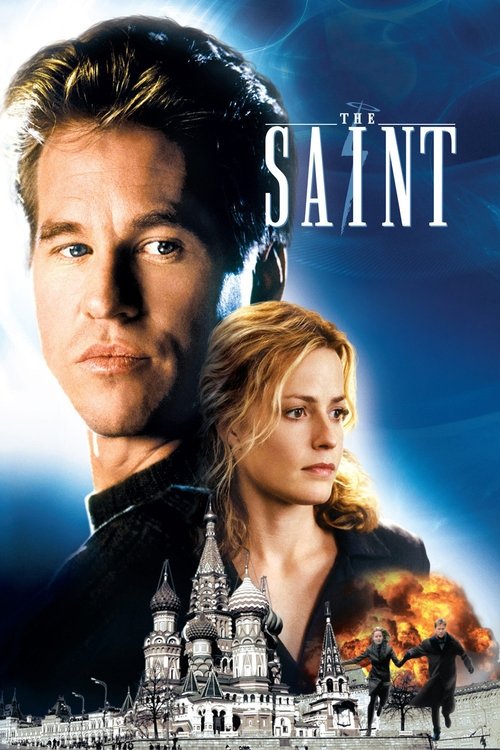
The Saint
Plot
Simon Templar (The Saint), is a thief for hire, whose latest job to steal the secret process for cold fusion puts him at odds with a traitor bent on toppling the Russian government, as well as the woman who holds its secret.
Get the Weekly Woke Watchlist
New and trending movies scored for woke bias, preachy messaging, and forced political themes — before you waste your evening.
No spam. One useful email per week.
Overall Series Review
Categorical Breakdown
The narrative does not engage with modern intersectional identity politics. Characters are defined by their profession, wealth, and moral choices, such as a thief's crisis of conscience or a villain's political greed. The casting is colorblind for minor roles but the main hero and love interest are white, and the primary villains are Russian oligarchs. The plot does not rely on race or immutable characteristics for its core conflict.
The major villains are a former communist politician turned oil billionaire and his son who are plotting a coup to control post-Soviet Russia. The plot critiques Russian authoritarianism and corruption, which is antithetical to Western liberal values. The American scientist's work is altruistic (free energy for the world), and the US Embassy serves as a place of safety and Western jurisdiction for her. The film does not frame Western home culture as fundamentally corrupt, though the protagonist is an outlaw.
Dr. Emma Russell is the brilliant, world-renowned scientist responsible for a revolutionary clean energy discovery. This positions her as a competent 'Girl Boss' type in her career. However, the plot requires the hero to con her, and she is easily swept off her feet by his romantic alias. She becomes a damsel in distress who must be saved from the Russian villains, lessening her overall agency and placing her fate in the male hero's hands. The film's conclusion involves her receiving funding through her love interest's benevolent theft, suggesting a functional complementarity rather than a total emasculation of the male or an anti-natalist message.
The movie contains no evident LGBTQ+ themes, characters, or ideological messages. The central romantic relationship is between the male hero and the female scientist. The focus is exclusively on a normative male-female structure, and sexual ideology is not part of the narrative.
The hero's entire origin story establishes his life of crime as a direct rebellion against the Catholic orphanage where he was raised. Priests are portrayed as brutal, hateful, and remorseless figures whose cruelty directly launches the protagonist's path of deceit and thievery. The hero adopts aliases of Catholic saints, twisting the concept for his criminal purposes. The narrative endorses the hero's rejection of traditional religion's moral framework for his own relativistic 'ends justify the means' morality, painting the religious institution as the root of his childhood trauma.
Get the Weekly Woke Watchlist
New and trending movies scored for woke bias, preachy messaging, and forced political themes — before you waste your evening.
No spam. One useful email per week.