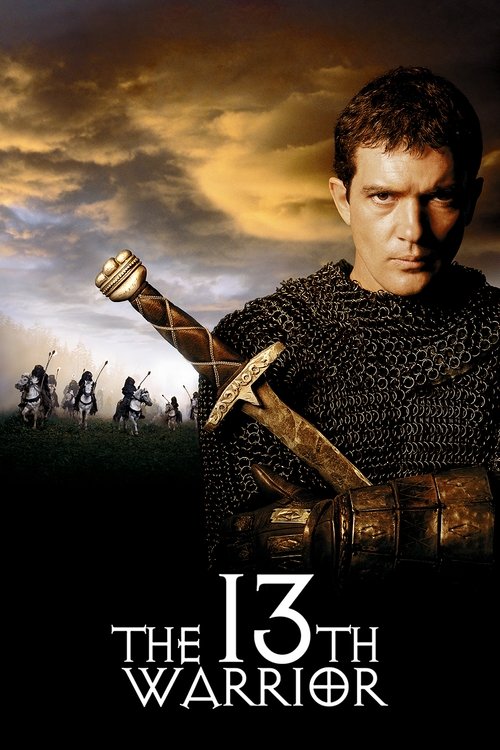
The 13th Warrior
Plot
A Muslim ambassador exiled from his homeland joins a group of Vikings, initially offended by their behavior but growing to respect them. As they travel together, they learn of a legendary evil closing in and must unite to confront this formidable force.
Get the Weekly Woke Watchlist
New and trending movies scored for woke bias, preachy messaging, and forced political themes — before you waste your evening.
No spam. One useful email per week.
Overall Series Review
Categorical Breakdown
The premise is an Arab non-warrior joining a band of white Vikings, which forces diversity by a prophecy demanding a non-Northman warrior. However, the plot entirely revolves around the protagonist earning his acceptance by demonstrating merit, intelligence, and martial skill, not because of his identity. The Vikings are initially shown with crude customs, but they are consistently depicted as honorable, courageous, and competent heroes. The narrative’s focus is on universal brotherhood through shared hardship.
The film initially contrasts the sophisticated Arab civilization with the crude, unwashed customs of the Vikings, creating a 'civilized man looks down on barbarians' dynamic. This contrast, however, serves to show the Viking culture’s strength and vitality, not to demonize it. The protagonist comes to profoundly respect the Norsemen's honor, bravery, and communal bonds. The story ultimately defends the besieged Northern European community and honors the sacrifices of its defenders and ancestors.
The team of 13 warriors is exclusively male, and the narrative focuses on the masculine virtues of combat and sacrifice. Female characters occupy traditional yet respected roles: a Völva (seer) holds spiritual authority, determining the number of warriors, and a Queen (Weilew) organizes the village’s defense and protection of the children. There are no 'Mary Sue' or 'Girl Boss' tropes; instead, a clear complementarian structure is shown where men and women fulfill distinct, protective roles vital to the community's survival. Motherhood and the preservation of children are treated as sacred duties during the siege.
No elements of alternative sexual ideology or gender theory are present in the narrative. The dynamics between men and women, while minimal for the warrior class, are traditionally heterosexual. The structure of the family and community is entirely normative, focused on the continuation and protection of the clan.
The film features two active faiths, Islam and Norse paganism, and treats both with respect. The protagonist’s Islamic faith is a source of his moral discipline and identity. Norse paganism is prominently depicted through rituals like the ship funeral and a Völva's prophecy, which provide the warriors with transcendent moral courage and a spiritual framework for their heroism and sacrifice. Neither religion is presented as a source of bigotry or as fundamentally evil; faith is a source of strength in the face of a primal threat.
Get the Weekly Woke Watchlist
New and trending movies scored for woke bias, preachy messaging, and forced political themes — before you waste your evening.
No spam. One useful email per week.