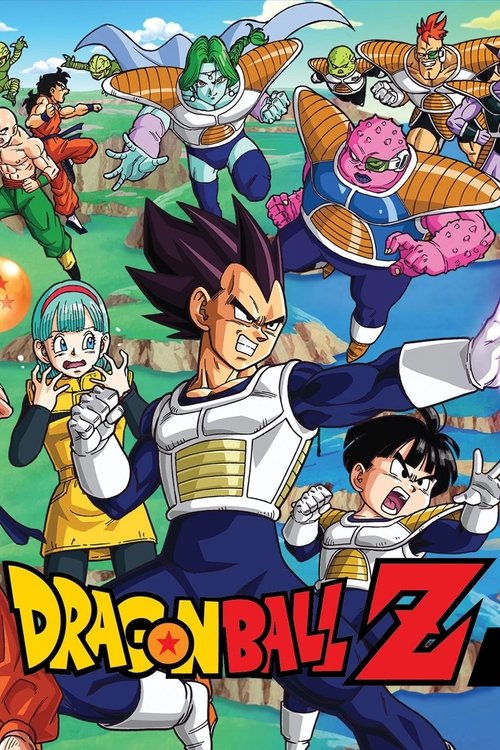
Dragon Ball Z
Season 2 Analysis
Season Overview
While Goku recovers from injuries suffered during battle with the Saiyans, his friends begin their perilous quest for the Namekian Dragon Balls. Awaiting their arrival on Planet Namek is the powerful Ginyu Force – and the vile monster Frieza!
Season Review
Categorical Breakdown
The plot focuses entirely on a universal meritocracy where power is gained through relentless training or innate, but earned, potential. Character alliances transcend race (Saiyan, Namekian, Human, etc.) and are based solely on a common moral goal: defeating the tyrannical Frieza. The main villains are aliens motivated by greed and imperial conquest, not by vilifying any specific Earth-based ‘whiteness’ or cultural characteristic. The narrative judges characters by their actions and the content of their soul.
The main goal is to acquire the Namekian Dragon Balls to bring friends back to their 'home' on Earth, showing a respect for the Earth and its culture. The Namekian civilization is depicted as peaceful and spiritually advanced, a 'Noble Savage' trope, but this trope is used to highlight the universal evil of the imperialist Frieza, not to demonize or critique the heroes' home civilization (Earth). The institutions and ancestors of the Namekians (Grand Elder Guru) are treated with respect as a source of power and wisdom.
Gender roles are traditional, with women like Bulma serving primarily as the indispensable, highly intelligent technician and support crew member, rather than as front-line combatants. Bulma's quick wit and technical genius are crucial to the plot's progress, showing strength in intellect. However, the ultimate physical battles on Namek are reserved almost exclusively for male characters, reflecting a lack of female fighting leads and emphasizing the complementary distinction between the male fighters and the female supporter.
The season contains no explicit or implicit content relating to alternative sexualities, gender identity, or queer theory. The central family unit (Goku/Chi-Chi/Gohan, and the groundwork for Bulma/Vegeta) is the normative structure. Any visual flamboyance in the Ginyu Force is presented as alien oddity or comic relief, not as a reflection of human sexual or gender ideology.
The spiritual/cosmic hierarchy—represented by characters like King Kai and Grand Elder Guru—is treated as an objective, benevolent, and powerful force that actively guides the heroes. King Kai devises the final rescue plan, and the Namekian Dragon, Porunga, is a spiritual entity that enacts the final moral wishes. Objective Truth (good versus evil) and a higher moral law are the driving forces of the conflict, with faith in one another and the cosmic rules of the Dragon Balls being a source of strength.