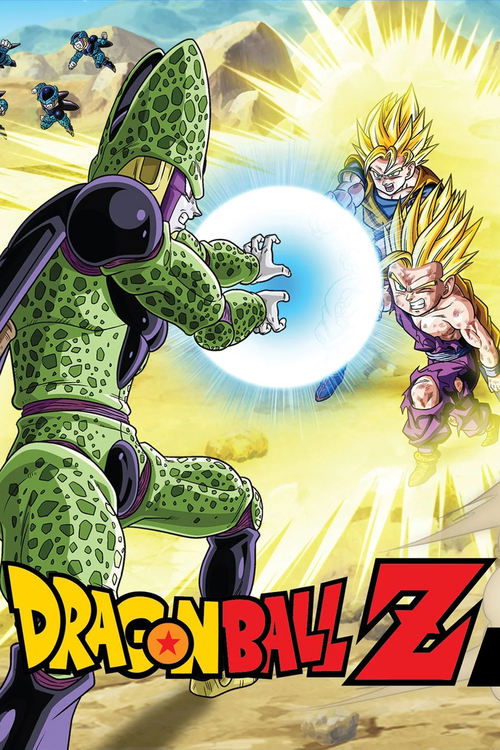
Dragon Ball Z
Season 6 Analysis
Season Overview
Humanity nears extinction as Cell achieves his deadly perfect form! Eager to display his new power, the monster proposes a tournament. If Earth produces a worthy challenger, whether be it Goku or Mr. Satan, mankind will be spared. But if not – death comes to all!
Season Review
Categorical Breakdown
Characters are judged solely on their fighting ability, not on their origin or immutable characteristics. Gohan’s triumph is based entirely on unlocking his personal power, which is the ultimate form of character merit. The central conflict is a universal good versus evil battle, devoid of any commentary on race or systemic oppression.
The entire season is focused on the Z-Fighters risking their lives to defend Earth. Institutions like the family unit are shown as the main motivation for the heroes. The villain, Cell, is a synthetic threat from a scientist’s personal revenge, not a stand-in for Western civilization's faults. The theme is about protecting one's home from chaos.
Major female characters like Chi-Chi are strictly confined to the traditional role of mother and homemaker, prioritizing Gohan's education over martial arts. Android 18 is a powerful woman, but she functions mainly as a catalyst for the villain's final form rather than a driving heroic agent. The primary focus of the character drama is the bond and rivalry between Saiyan fathers and sons.
The narrative features a normative structure, centered on traditional male-female pairings and nuclear families like the Son family and the Briefs family. Sexual identity is not a plot point, and there is no presence of gender theory or deconstruction of the standard family structure in the story.
Spiritual figures like Kami, Dende, and King Kai serve as moral authorities and sources of metaphysical power. The conflict operates under a system of objective morality where the heroes represent an absolute good and Cell is an absolute evil. The existence of the Dragon Balls reinforces the concept of a higher order that can restore life and balance.