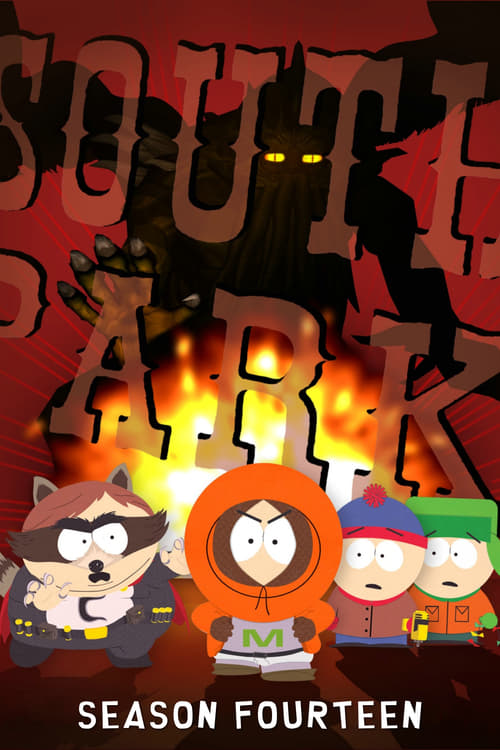
South Park
Season 14 Analysis
Season Overview
This series finds Stan, Kyle, Cartman, Kenny, Butters and co getting into fixes through their usual blend of innocence and mischievousness. As well as coming to terms with the perils of social networking and being accused of sex addiction in the furore that sweeps the nation in the wake of the revelations surrounding Tiger Woods, the boys finally reveal the identity of the suitably mysterious Mysterion in a three-part special.
Season Review
Categorical Breakdown
The plot points are centered on celebrity scandals, social networking, and censorship, not on an intersectional hierarchy or the vilification of whiteness. Characters are satirized based on their poor actions and flaws, such as Randy's obsession with medical marijuana, not their race or identity group.
The show constantly lampoons American cultural absurdity and the incompetence of its institutions, such as the government and press coverage of 'sex addiction.' However, this is presented as critique from within, not a framing of the entire home culture as fundamentally corrupt or evil, which keeps the score low.
The season's narratives are not focused on a 'Girl Boss' trope or an anti-natalist message. The main female characters are not portrayed as perfect or instantly capable; they primarily exist within their established family roles, which are often the target of separate, non-gendered satire like Sharon's reaction to Randy's antics.
The season contains no discernible push for a queer theory lens. Alternative sexualities or gender ideology are not centered as the most important traits or political issues. The focus is on traditional 'South Park' themes and current events, and sexuality remains a topic for private humor or specific, non-ideological character arcs.
The highly controversial '200' and '201' episodes are a direct and explicit confrontation with the concept of religious exceptionalism by refusing to grant any figure—specifically the Prophet Muhammad—exemption from ridicule. This principled attack on the idea of sacredness and the moral authority of faith places the show's action squarely in the high-score range for challenging transcendent morality.