South Park
Season 9 Analysis
Season Overview
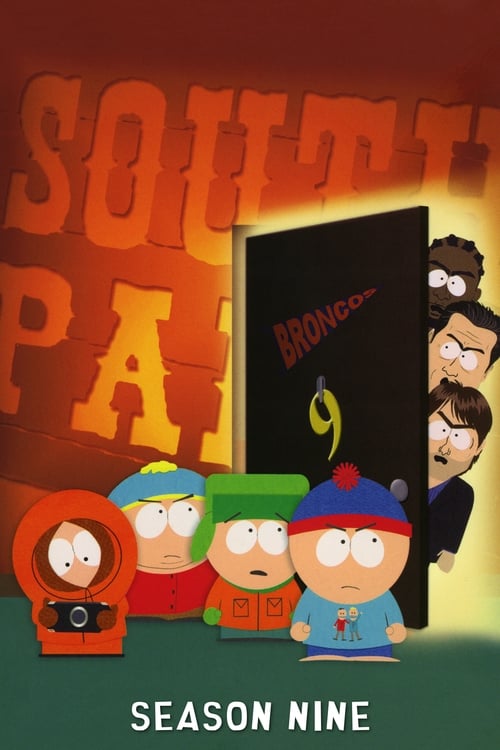
Join Stan, Kyle, Cartman and Kenny as they deal with the perceived dangers of global warming, a certain actor's sexuality is questioned, and the Pope arrives to witness a religious miracle. For them, it’s all part of growing up in South Park!
Season Review
Categorical Breakdown
The narrative satirizes racial essentialism by showing Kyle undergoing surgery to become a Black person to play basketball better. It directly ridicules the culture of grievance and demanding 'more than equal' rights by having Cartman lead the 'ginger kids' movement. The themes presented are a clear lampoon of the intersectional lens.
The season is not hostile toward Western civilization but rather toward the fear-mongering and hysteria within it. It critiques environmental alarmism in the 'Two Days Before the Day After Tomorrow' episode. It also portrays 'hippie' subculture as a destructive, invading force, validating the small American town's right to defend its peace and order.
The core gender arc involves Mr. Garrison's sex change to 'Mrs. Garrison,' a process and identity which is immediately presented as ridiculous and self-serving, with the character later seeking to reverse the procedure after realizing the perceived benefits were hollow. This functions as a deconstruction and ridicule of the idea that gender transition is a simple fix or a path to fulfillment, directly opposing the 'Girl Boss' trope by making the female lead a bumbling and vindictive character.
Alternative sexualities and gender issues are a consistent subject of satire, but the show does not promote queer theory. It satirizes the political debate around gay marriage with Mrs. Garrison's hypocritical opposition to Mr. Slave and Big Gay Al's wedding. The episode 'Trapped in the Closet' utilizes the trope of a celebrity hiding his homosexuality as a recurring joke, but the focus remains on mocking the celebrity and the religion of Scientology.
The season contains a strong and overt hostility toward organized religion. The episode 'Trapped in the Closet' explicitly labels Scientology's foundational texts as absurd science fiction. The episode 'Bloody Mary' depicts the Virgin Mary statue bleeding from its vagina, ridiculing a Catholic miracle and generating substantial outrage. The 'Best Friends Forever' episode satirizes the moral arguments over life support by framing a debate about a soul's destiny in Heaven as a ridiculous, game-driven conflict.