The Second Wife
Plot
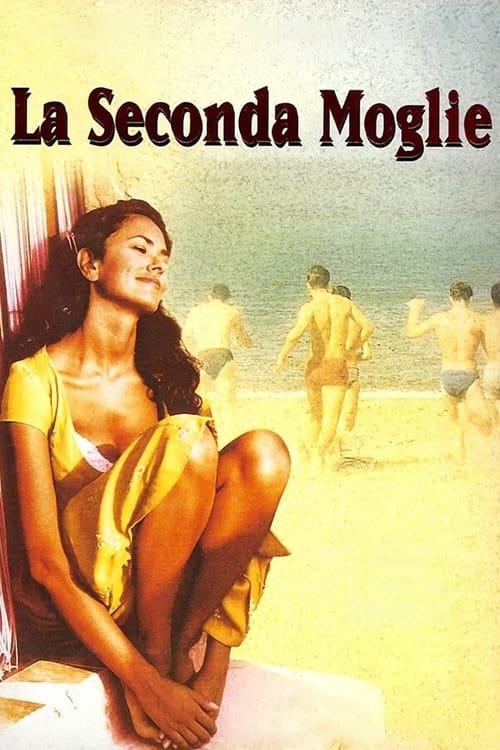
In the early 1960's, a Sicilian single mother marries an older, crass widowed truck driver. When he is arrested trying to smuggle an antique, she ends up falling in love with her handsome stepson.
Get the Weekly Woke Watchlist
New and trending movies scored for woke bias, preachy messaging, and forced political themes — before you waste your evening.
No spam. One useful email per week.
Overall Series Review
Categorical Breakdown
The film operates within a universal meritocracy framework focused on character. The setting is a specific Italian coastal town with a culturally authentic, all-Italian cast. The narrative relies entirely on personal chemistry, betrayal, and emotional fulfillment, with zero reliance on modern identity politics, intersectional hierarchy, or the vilification of race. Characters are judged solely by their actions and emotional content.
The narrative takes place within a traditional Italian culture, which is part of Western civilization. While the main characters commit a serious moral transgression that defies the conservative social norms of the setting, the film does not frame the culture itself as fundamentally corrupt or racist. The social structure is the container for the drama, not the demonized subject. The focus is on the human desire for passion, not civilizational self-hatred.
Anna is portrayed with strong personal agency and follows her passionate desire, which is a powerful display of female autonomy. The older male figure, Fosco, is explicitly depicted as 'crass,' a criminal, and is possessive of Anna as a 'trophy,' which serves to emasculate him and justify the wife's turn toward the stepson. However, Anna's status as a single mother is presented as a reason for her original marriage, and the story’s core is a heterosexual romance, not a lecture that motherhood is a 'prison.' The score is elevated due to the older male's vilification to center the female lead's romantic fulfillment.
The narrative adheres strictly to the normative structure of a traditional, albeit broken and unconventional, nuclear family framework. The central and only sexual/romantic focus is the taboo, male-female pairing between the stepmother and stepson. There is no presence of alternative sexual ideologies, deconstruction of the nuclear family beyond the natural consequences of adultery, or lecturing on gender theory.
The plot's entire conflict revolves around a clear violation of traditional, Western, and likely Christian morality (adultery and near-incestuous romance). The narrative elevates subjective, transcendent passion over objective moral law or religious structure. However, the film avoids active anti-theism; it does not explicitly frame traditional religion or Christian characters as villains or bigots. Morality is shown as subjective to the passion of the lovers, leading to a mild score that reflects this moral relativism without overt hostility to faith.
Get the Weekly Woke Watchlist
New and trending movies scored for woke bias, preachy messaging, and forced political themes — before you waste your evening.
No spam. One useful email per week.