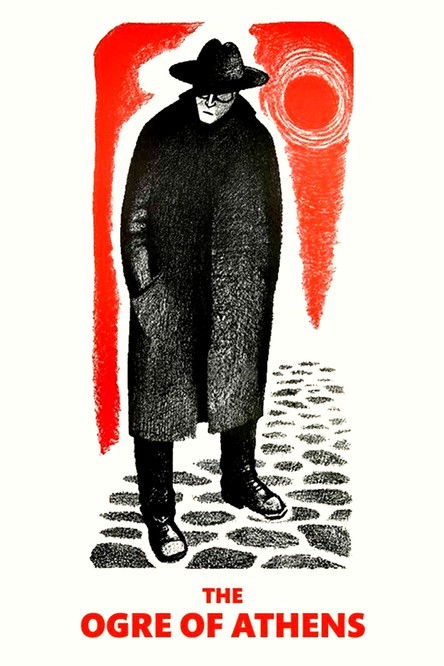
The Ogre of Athens
Plot
On New Year’s Eve, a timid bank clerk is mistaken for a notorious criminal mastermind who rules the streets of Athens. Embracing his mistaken identity comes with a price though, as his unwitting white lie begins to unravel.
Get the Weekly Woke Watchlist
New and trending movies scored for woke bias, preachy messaging, and forced political themes — before you waste your evening.
No spam. One useful email per week.
Overall Series Review
Categorical Breakdown
The plot centers on a universal theme of a man struggling with social alienation, whose life improves when he is judged by a false, powerful reputation rather than his true, timid self. Character merit is the core theme of the satire. There is no focus on race, intersectional hierarchy, or the vilification of whiteness.
The film criticizes the post-war Greek state's authoritarianism and its 'subservience to the West (America),' using a crime plot that involves selling ancient Greek heritage for 'American profit.' This is a critique of a corrupt modern political/economic dependency and a call to respect the sacrifices and cultural heritage of the ancestors (Chesterton’s Fence), not civilizational self-hatred. The critique is directed at the *betrayal* of Greek identity, not the identity itself.
The gender dynamics are traditional to a noir/comedy-of-errors structure: the male protagonist, Thomas, is suddenly respected by men and found interesting by a woman once he assumes a powerful persona. The focus is on Thomas's male identity crisis. There are no elements of the 'Girl Boss' trope, emasculation, or anti-natalism present in the analysis.
The narrative focuses on the existential and social struggles of the male protagonist and the corruption of the post-war state. There is no presence of alternative sexualities, gender ideology, or deconstruction of the nuclear family. The structure is normative.
The film operates in a 'moral grey area' as it critiques post-war social and moral decay, but the commentary is secular and focused on political and social corruption. The film does not target or vilify traditional religion, specifically Christianity, as the root of evil. The focus is on the failure of secular institutions and human desperation.
Get the Weekly Woke Watchlist
New and trending movies scored for woke bias, preachy messaging, and forced political themes — before you waste your evening.
No spam. One useful email per week.