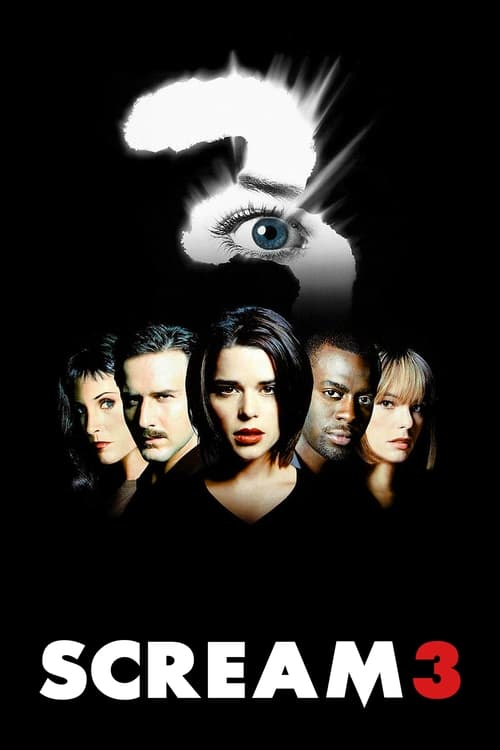
Scream 3
Plot
As bodies begin dropping around the Hollywood set of STAB 3, the third film based on the gruesome Woodsboro killings, Sidney and other survivors are once again terrorized by another Ghostface killer.
Get the Weekly Woke Watchlist
New and trending movies scored for woke bias, preachy messaging, and forced political themes — before you waste your evening.
No spam. One useful email per week.
Overall Series Review
Categorical Breakdown
The narrative's central critique focuses on the exploitation of women and sexist power dynamics within the Hollywood film industry. The killer's motive is an Oedipal complex stemming from the abuse his mother suffered at the hands of a powerful male producer. Characters are mostly judged by their actions, but the plot explicitly vilifies powerful men who abuse their position. The main cast remains predominantly white, and the film does not engage with race-based identity politics or intersectional hierarchy.
The film satirizes and critiques the culture and moral decay of Hollywood, portraying it as a corrupt, exploitative, and self-serving institution. This critique is narrowly aimed at a specific cultural industry rather than a general hostility toward Western civilization, one's home, or ancestors. The ending provides the main hero with a sense of peace and a stable, domestic resolution to her trauma.
The core of the plot is an indictment of the 'casting couch' culture and systemic misogyny in Hollywood, anticipating the #MeToo movement. The female leads—Sidney, Gale, and the actress Jennifer Jolie—are consistently intelligent, resourceful, and ultimately triumph, positioning them as 'Girl Boss' figures. Male characters are variously depicted as predatory (the killer), morally compromised (the producer), or endearingly bumbling (Dewey). The origin of all the trauma is the 'sin' of the protagonist's mother, which frames motherhood as a source of chaos rather than celebration, but the climax ends with the possibility of a stable, traditional relationship.
The movie contains no explicit LGBTQ+ characters, themes, or ideological commentary. The story focuses exclusively on heterosexual relationships and family dynamics, with the central conflict revolving around an illegitimate son's desire for revenge. The normative structure of the original trilogy is maintained without any centering of alternative sexualities or gender theory lecturing.
There is no overt or implied anti-theistic messaging. The film's moral framework is purely secular, revolving around themes of trauma, revenge, celebrity culture, and personal justice. There is no appearance of traditional religion, faith, or Christian characters to be vilified; morality is defined by the characters' actions within a self-referential horror movie context.
Get the Weekly Woke Watchlist
New and trending movies scored for woke bias, preachy messaging, and forced political themes — before you waste your evening.
No spam. One useful email per week.