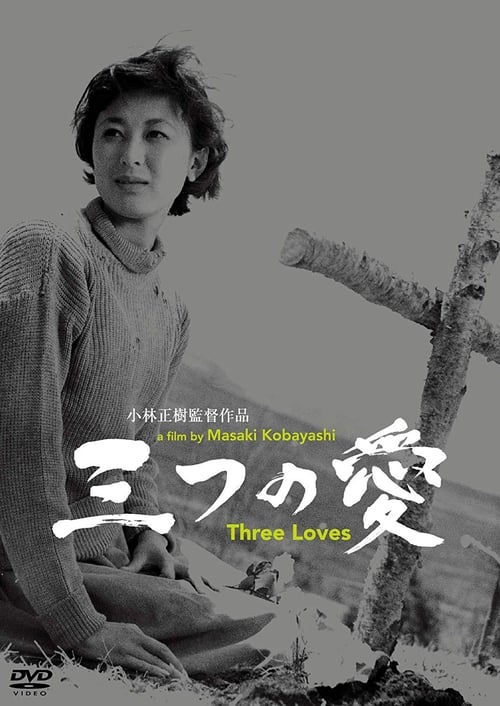
Three Loves
Plot
In a mountain village, Heita, a translator's son, is a gifted boy but is shunned by the villagers. He can imitate birds' cry and befriends another boy who works in a brewery. Heita also finds solace in the village pastor Yasugi and his teacher Michiko, but they too have problems of their own.
Get the Weekly Woke Watchlist
New and trending movies scored for woke bias, preachy messaging, and forced political themes — before you waste your evening.
No spam. One useful email per week.
Overall Series Review
Categorical Breakdown
The narrative focuses on universal human struggles like poverty, isolation, love, and sacrifice. The characters are judged based on their personal merit and emotional choices, not on race or any form of intersectional hierarchy. The story is a straightforward melodrama of human virtue and suffering.
The film is set in a specific Japanese mountain village and focuses on local, intimate dramas. There is no evidence of hostility toward Japanese or Western culture. Institutions like family and community are viewed as the crucible for human relationships and moral development, not as fundamentally corrupt or racist systems.
The female characters, such as the teacher Michiko and the boy Ikujiro's mother, display strong agency and self-sacrifice. The teacher is a supportive partner who works to fund her boyfriend's artistic endeavors, and the mother's act of apprenticing her son is a profound maternal sacrifice motivated by love and necessity. Motherhood and a woman's supportive role are treated with gravity and respect, not as a 'prison.' Men are flawed (the artist is prideful, the pastor is emotionally tormented), but not uniformly depicted as toxic or incompetent.
The primary relationships explored are traditional romantic love (teacher/artist) and familial love (mother/son). There is no centering of alternative sexualities or gender identity ideology. The structure remains focused on normative male-female pairings and the nuclear or extended family unit as the social standard.
The film is noted for its overtly Christian context, featuring a kindly pastor figure to whom villagers turn for spiritual advice. The central spiritual conflict is the pastor's internal struggle with forgiveness, an application of a higher moral law, not an attack on the faith itself. Faith is presented as a significant, though complicated, source of moral strength and guidance.
Get the Weekly Woke Watchlist
New and trending movies scored for woke bias, preachy messaging, and forced political themes — before you waste your evening.
No spam. One useful email per week.