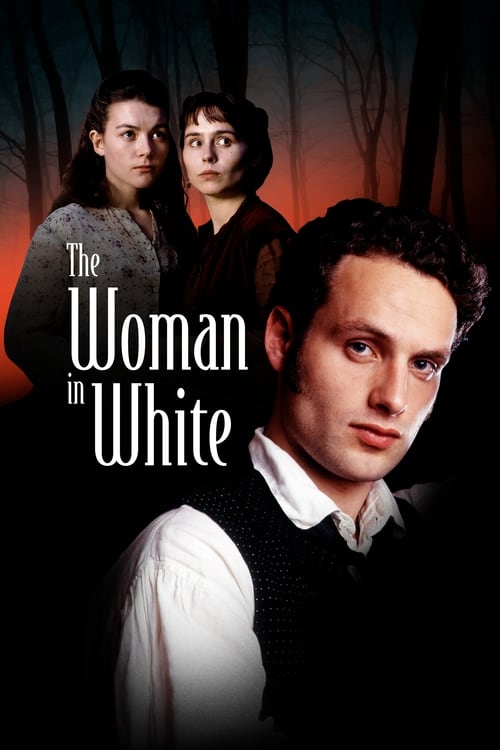
The Woman In White
Plot
Based upon Wilkie Collins Victorian mystery, the gothic tale tells of a pair of half sisters whose lives end up caught in a grand conspiracy revolving around a mentally ill woman dressed in white. As the story unfolds, murder, love, marriage, and greed stand between the two women and happy lives. Their only hope is the secret the woman in white waits to tell them.
Get the Weekly Woke Watchlist
New and trending movies scored for woke bias, preachy messaging, and forced political themes — before you waste your evening.
No spam. One useful email per week.
Overall Series Review
Categorical Breakdown
Characters are judged by their actions and morality, not by immutable characteristics like race. The casting is historically authentic to a Victorian period piece. The narrative's critique of systemic oppression focuses entirely on class and gender imbalances within 19th-century English society, not on abstract identity politics or the vilification of 'whiteness' as a whole. The hero who solves the mystery and restores justice is a virtuous white male from the middle class.
The hostility is directed toward the decadent, aristocratic class and corrupt institutions like marriage law and asylums, which are abuses of the system. The narrative celebrates core Western middle-class values of justice, industry, hard work, and loyalty, rather than depicting the home culture as fundamentally rotten. The good characters fight to restore virtue and order within their society and family, respecting the sacrifices required to do so.
The core dramatic engine is the oppression of women by men and the legal system, exemplified by Sir Percival's abuse and the threat to steal Laura's identity through marriage. The main heroine, Marian Halcombe, is a 'proto-feminist' figure who is more rational, resourceful, and active than the men around her, effectively acting as the detective. She is described with 'masculine' features to highlight her strength and agency. While the story ends with a traditional marriage, the journey strongly emphasizes the perfection of the female lead and the incompetence or toxicity of aristocratic males.
Alternative sexualities are not a focus of the plot or an explicit theme. The story is driven by a traditional male-female romantic pairing and the strong devotion between two sisters. Marian's slightly 'masculine' characterization has been subject to academic re-readings in the centuries since the novel's publication, but the 1997 adaptation presents a normative structure for the central family, ending with the married couple having two children.
Morality is objective, with good characters rewarded and evil characters punished, demonstrating a transcendent moral law at work in the world. The clear delineation of virtuous behavior versus criminal conspiracy prevents any slide into moral relativism. The protagonist Marian is shown to pray at the end, and religion is not depicted as the source of evil or the target of any critique.
Get the Weekly Woke Watchlist
New and trending movies scored for woke bias, preachy messaging, and forced political themes — before you waste your evening.
No spam. One useful email per week.