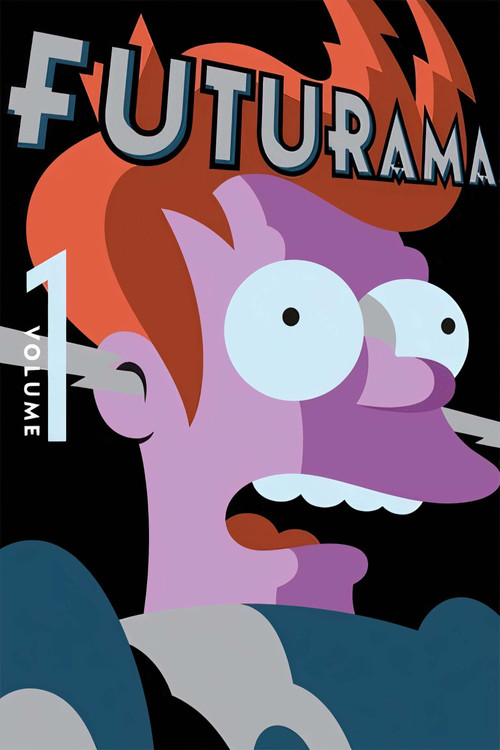
Futurama
Season 1 Analysis
Season Overview
No specific overview for this season.
Season Review
Categorical Breakdown
Characters are judged primarily on their competence and flaws, not by an intersectional hierarchy. The white male protagonist, Fry, is the least competent of the crew, but he is a lovable idiot, not a villain who exists to be vilified for his identity. The non-human characters (Leela and Bender) and minority human characters (Hermes, Amy) have character flaws and merit that drive the plot equally, with Leela being the most consistently capable crew member. There is no political lecturing on race or systemic oppression.
The central premise frames Earth's future civilization (New New York in 3000) as a ridiculous, corrupt, commercialized, and hyper-bureaucratic dystopia, suggesting the inevitable decay of Western civilization's trajectory. Fry's 20th-century culture is sometimes presented as possessing a lost, worthwhile innocence or utility (like the usefulness of old garbage), indicating hostility toward the future 'home' culture.
Leela is consistently the most skilled, intelligent, and level-headed member of the Planet Express crew, embodying the 'Girl Boss' trope as she routinely saves the others from disaster. The highest male authority figure, General Zapp Brannigan, is a boorish, incompetent, and misogynistic caricature, serving to emasculate the male military establishment. This dynamic establishes a clear preference for the competent female lead over bumbling or toxic male figures.
The first season maintains a normative structure regarding gender and sexuality, with a traditional male-female pairing (Fry's pursuit of Leela) at its core. Sexual themes are present for comedy but focus on traditional or mechanical (robot) sexuality. There are no overt plotlines, characters, or ideological lectures centered on alternative sexualities or gender theory.
The episode 'Hell Is Other Robots' places organized religion (The Temple of Robotology) in a purely satirical and negative light, portraying it as a temporary addiction for Bender that leads directly to a ridiculous, literal Robot Hell. This depiction treats faith and religious institutions as a source of comedy and not as a source of strength or transcendent moral law, embodying hostility toward traditional religion.