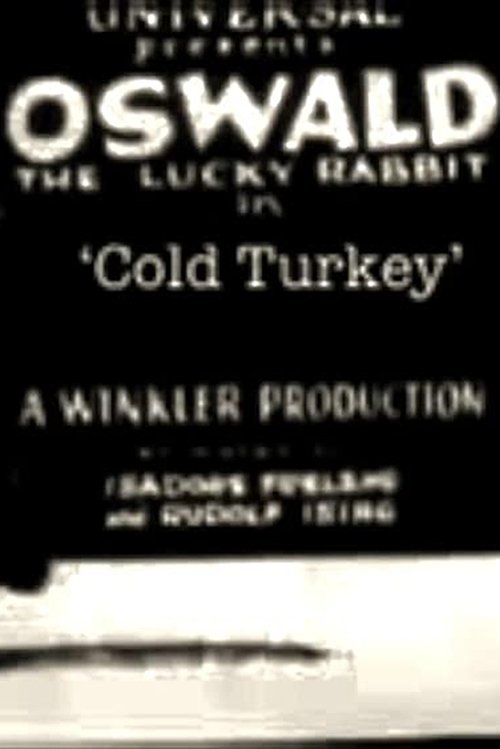
Cold Turkey
Plot
An Oswald the Lucky Rabbit cartoon.
Get the Weekly Woke Watchlist
New and trending movies scored for woke bias, preachy messaging, and forced political themes — before you waste your evening.
No spam. One useful email per week.
Overall Series Review
Categorical Breakdown
Characters are anthropomorphic animals whose conflict is driven by basic, universal desires—the need for food and the moral failure of greed. No human race or immutable characteristics are at play. The narrative focuses on action and slapstick, not systemic oppression or intersectional hierarchy.
The cartoon is focused on a domestic, simple goal: getting dinner. There is no commentary on, let's alone hostility toward, Western civilization, heritage, or national institutions. The ending shows a positive, intimate domestic moment between the protagonist and his partner.
Kitty (Ortensia) serves primarily as Oswald's 'best girl,' a love interest and companion who shares the reward with him, leading to a romantic kiss. Her role is defined by affection and companionship, placing the dynamic clearly in the realm of traditional complementarianism and shared vitality rather than 'Girl Boss' or anti-natalist messaging.
The core relationship is a traditional male-female pairing, Oswald and Kitty. The cartoon's focus is on the simple romance of sharing a meal. There is no centering of alternative sexualities, deconstruction of the nuclear family, or presentation of gender ideology.
The cartoon's plot is entirely secular, centered on the struggle for a holiday-like meal. It contains no religious content, no hostility toward faith, and the morality presented (sharing is good, greed is bad) reflects a basic, objective moral truth.
Get the Weekly Woke Watchlist
New and trending movies scored for woke bias, preachy messaging, and forced political themes — before you waste your evening.
No spam. One useful email per week.