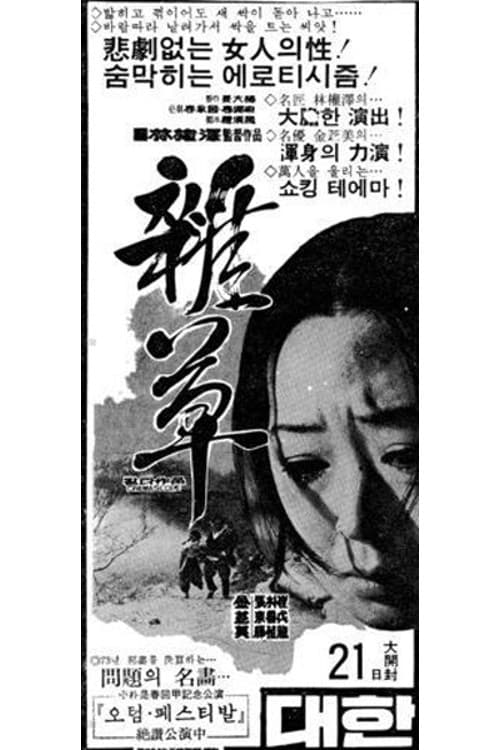
Weeds
Plot
A depiction of the life and fate of a physically weak woman who has strong maternal love.
Get the Weekly Woke Watchlist
New and trending movies scored for woke bias, preachy messaging, and forced political themes — before you waste your evening.
No spam. One useful email per week.
Overall Series Review
Categorical Breakdown
The plot centers on a universal human experience—a mother’s bond with her children—which transcends race or intersectional hierarchy. Character value is defined purely by her merit and devotion, achieving a clear Universal Meritocracy rating.
The narrative is a grounded drama about personal struggle and fate, with no discernible hostility toward Western civilization, its institutions, or its ancestors. The focus on a mother fighting for her family suggests a respect for core social structures.
The core theme celebrates the protagonist's 'strong maternal love,' which directly counters the anti-natalist and 'motherhood as a prison' trope. The character's strength is defined by her protective maternal role, which aligns with Complementarianism and Vitality. It avoids the 'Girl Boss' trope.
As a 1973 family drama centered on a mother's relationship with her children, the narrative adheres to a Normative Structure. Alternative sexualities or gender ideology are not a factor in the plot, nor is there any deconstruction of the nuclear family unit.
A film that discusses 'fate' and the deep moral bond of maternal love implies a structure of Objective Truth and higher moral law. There is no evidence of vilification of traditional religion or an embrace of subjective power dynamics.
Get the Weekly Woke Watchlist
New and trending movies scored for woke bias, preachy messaging, and forced political themes — before you waste your evening.
No spam. One useful email per week.