Slow Down
Plot
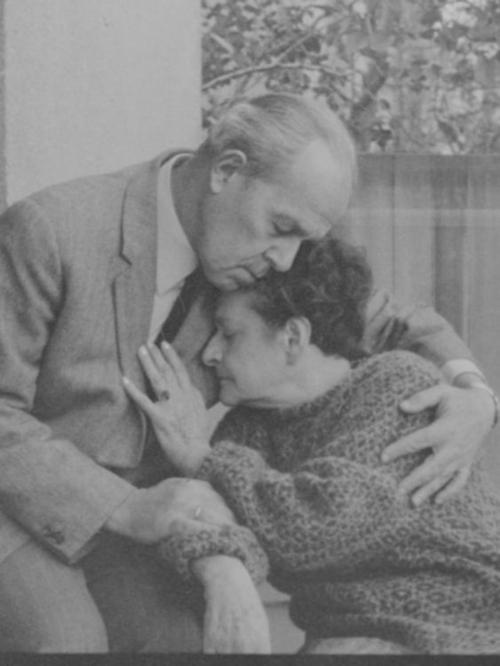
The essence of a quarrel and reconciliation between an elderly couple in Tel Aviv in 1967.
Get the Weekly Woke Watchlist
New and trending movies scored for woke bias, preachy messaging, and forced political themes — before you waste your evening.
No spam. One useful email per week.
Overall Series Review
Categorical Breakdown
The narrative is strictly focused on the interpersonal dynamics and emotional life of two specific, elderly characters. The conflict is based on the merits and failures of their personal relationship, not race, immutable characteristics, or a critique of societal power structures. The casting of two veteran Israeli actors for an Israeli story is historically and culturally authentic.
The film intentionally shifts away from the 'nationalist stripe' prevalent in Israeli cinema at the time to focus on personal crisis. The short film does not demonize the nation or ancestors, but its highly critical focus is directed squarely at the institution of the family and marriage, which it deconstructs as a source of misery. The setting in Tel Aviv is a backdrop for a universal, intimate critique, which de-emphasizes civic institutions but does not engage in civilizational self-hatred.
The core of the film is a 'harsh account of life together' told through the heroine's constant, inner narration. The film is an adaptation of a story by Simone de Beauvoir, a seminal figure in second-wave feminism. The plot strongly aligns with the critique of traditional marriage as a 'prison' or a source of female disappointment, presenting the wife's perspective as the central, authoritative lens on the relationship's failure. The male figure is passively involved in the conflict and is primarily the subject of the wife's critical reflection.
The story is an intimate portrayal of a normative, aging male-female couple's relationship. There is no presence of alternative sexual ideologies, deconstruction of the nuclear family beyond the inherent critique of one specific, failing marriage, or focus on gender theory.
The plot focuses on the purely secular, psychological, and relational struggle between the husband and wife. No information suggests a specific hostility toward organized religion, morality, or the presence of religious characters as villains. The morality explored is subjective to the marriage, which represents a personal vacuum, not a spiritual or anti-theistic one.
Get the Weekly Woke Watchlist
New and trending movies scored for woke bias, preachy messaging, and forced political themes — before you waste your evening.
No spam. One useful email per week.