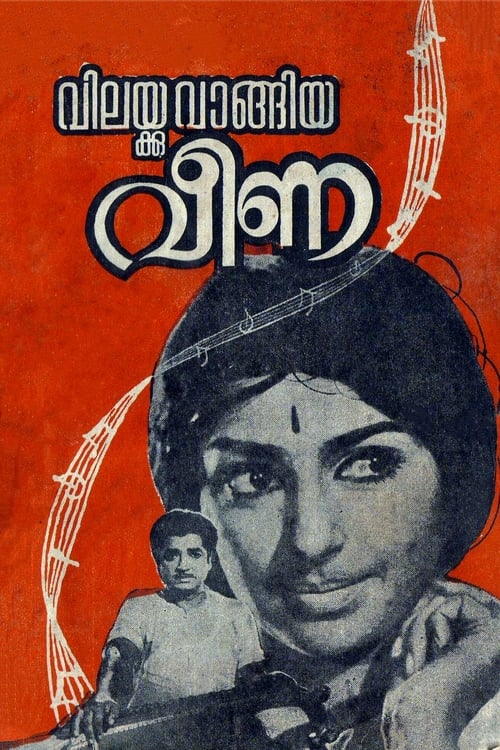
Vilakku Vangiya Veena
Plot
Get the Weekly Woke Watchlist
New and trending movies scored for woke bias, preachy messaging, and forced political themes — before you waste your evening.
No spam. One useful email per week.
Overall Series Review
Categorical Breakdown
The narrative is driven by individual choice and personal morality, focusing on Sarada's sacrifice and Vijayan's betrayal, which are matters of character merit or lack thereof. There is no commentary on race, caste, or intersectional hierarchy. The casting and setting are historically and culturally authentic to 1970s Kerala, India, without forced diversity or lecturing.
The film is a critique of a specific individual's moral failing (betrayal/forgetfulness), not a condemnation of its home culture or ancestors. The drama unfolds within the existing socio-cultural structure of 1970s Kerala, treating the core institutions like love and artistic ambition as contexts for individual tragedy, not as fundamentally corrupt or racist systems.
The female lead's central act is one of extreme, selfless sacrifice for her male partner’s career. The narrative celebrates this devotion, aligning with the value of complementarianism. The male character is depicted as ungrateful and morally flawed, but this is a critique of *that* man's character, not a generalization to emasculate all men or frame motherhood/devotion as a 'prison.'
The plot is a traditional heterosexual love story centered on a male-female pairing. There is no indication of centering alternative sexualities, promoting gender ideology, or deconstructing the nuclear family structure. Sexuality remains a private aspect of the main relationship.
The core themes of the film—sacrifice, gratitude, and betrayal—rest on clear objective moral values. The film is a social melodrama, not a theological one, but there is no evidence of hostility toward traditional faith or an embrace of moral relativism. The conflict is explicitly about a violation of an objective moral code (fidelity and gratitude).
Get the Weekly Woke Watchlist
New and trending movies scored for woke bias, preachy messaging, and forced political themes — before you waste your evening.
No spam. One useful email per week.