Kamen Rider
Season 15 Analysis
Season Overview
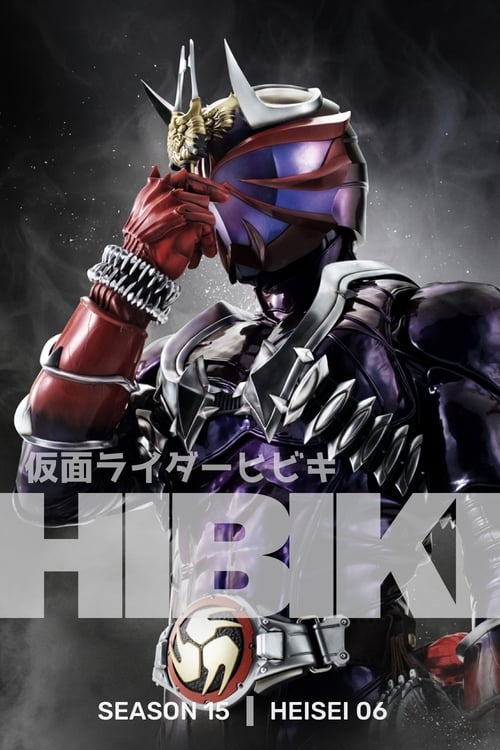
The Kamen Riders, known as Oni, battle man eating beasts called Makamou with "pure sound". One of the Oni, a man named Hibiki ends up having a teacher and apprentice-like relationship with Asumu Adachi. A young boy unsure of himself and is at a crossroads in his life as he transitions to high school, Asumu learns to be an adult through watching Hibiki and the other Oni as they all train together to hone their skills in fighting the Makamou and the homunculi aiding them. However, the sudden raise of Makamou numbers proves to be a prelude to an upcoming calamity.
Season Review
Categorical Breakdown
The narrative centers on meritocracy, where Oni (Kamen Riders) are defined solely by their training, skill, and ability to wield their powers, with hard work and self-discipline being core themes. The show is set in Japan, features an all-Japanese cast, and the conflict is entirely mythological, therefore avoiding any focus on racial or intersectional identity politics, vilification of 'whiteness,' or forced diversity insertions.
The entire series is steeped in Japanese mythology and aesthetics, featuring the Oni (Japanese folk demons/heroes) as protagonists who protect Japan from the Makamou. The story is focused on maintaining a cultural balance between the human and supernatural worlds, explicitly celebrating and incorporating traditional Japanese folklore and spiritual concepts. The Oni organization, Takeshi, functions as a protective institution, honoring the sacrifices and traditions of their ancestors.
The main mentorship narrative is between the older male Oni, Hibiki, and the younger male apprentice, Asumu, promoting positive, protective masculinity. Female characters, such as the Oni Akira, are shown to be apprentices who must undergo rigorous training to become a Rider, thereby rejecting the 'Mary Sue' or 'Girl Boss' trope of instant perfection. While women are shown as capable fighters, the gender roles are distinct but complementary. The core issue of the series is a young man's struggle to find his purpose, not the emasculation of men.
The narrative maintains a normative structure, centered on a traditional mentor/apprentice relationship and a coming-of-age story. The themes focus on personal identity in terms of vocation and maturity, not sexual or gender identity. There is no presence of queer theory or deconstruction of the nuclear family unit; sexuality is not a centered theme or topic of discussion.
The core premise is based on a spiritual conflict, with the Oni using 'pure sound' to purify the Makamou, which are described as monsters born from 'negative human emotions'. The spiritual elements are deeply connected to traditional Japanese folklore, presenting a higher moral law where good (Oni) battles evil (Makamou). Faith in one's path, transcendent power, and the spiritual nature of the conflict are sources of strength, not targets of hostility.