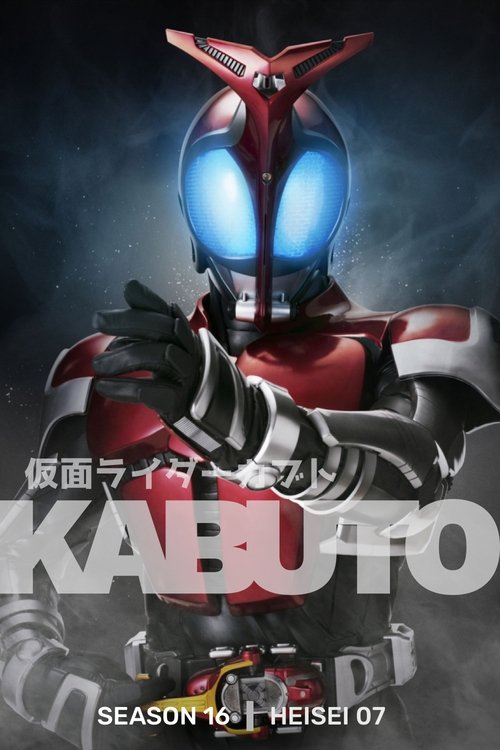
Kamen Rider
Season 16 Analysis
Season Overview
Using the Masked Rider System developed by the secret organization of ZECT, Tendo Soji fights the Worm, extraterrestrial life forms that murder and mimic human beings.
Season Review
Categorical Breakdown
The narrative focuses on an existential conflict where alien Worms impersonate humans, making the central theme a universal exploration of identity and what constitutes the true content of a person's soul. Characters are judged strictly by their actions and inner self. There is no introduction of race or intersectional hierarchy as a factor in the conflict.
The plot's central conflict involves defending the world from an external, extraterrestrial invasion. The hero constantly quotes his grandmother's traditional, Zen-like philosophical maxims, demonstrating respect for ancestral wisdom. The clandestine government-adjacent organization ZECT is shown to be morally complex, a common trope, but the threat is not framed as the fundamental corruption of the home culture.
Male characters are the undisputed, highly powerful heroes, particularly the protagonist, Tendou Souji, who is portrayed as 'perfect' and a genius at everything. Female characters serve primarily as agents, assistants, or emotional anchors whose arcs are secondary to the male leads, which is a traditional arrangement, not a 'Girl Boss' dynamic. The series lacks any significant female Kamen Rider.
The story contains no visible emphasis on alternative sexualities, gender identity, or queer theory. The central relationships and family structures presented are traditional, without any political commentary on the nuclear family.
The main hero, Tendou Souji, operates under an explicitly stated, self-assured philosophy where he 'walks the path of heaven' and is 'the man who will rule over all,' reflecting a belief in fate, destiny, and transcendent morality. There is no depiction of traditional religion as an oppressive or villainous force.