Kamen Rider
Season 20 Analysis
Season Overview
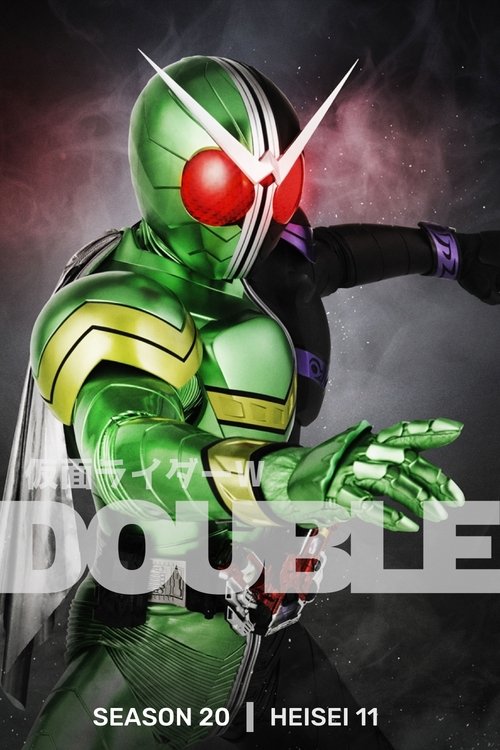
A detective, proclaiming himself to be hard-boiled, and a mysterious boy who is connected to “Memory of the Earth” together transform into the 2-in-1 Kamen Rider, W. They protect their city Fuuto from crimes caused by superpower-granting devices known as “Gaia Memories”.
Season Review
Categorical Breakdown
The narrative is centered on a universal theme of human vice, where 'Gaia Memories' corrupt anyone who uses them, regardless of background or identity. The villains are motivated by scientific ambition and power, not systemic oppression or racial hierarchy. Characters are judged by the moral content of their actions, which aligns with universal meritocracy.
The main characters are detectives who dedicate themselves to protecting their city, Fuuto, from the threat of Dopant crime, often stating they are the city's shield. The core motivation is an expression of loyalty to their home and a positive valuation of their community. The antagonist organization is an internal conspiracy attempting to exploit the city, which is a common trope and not framed as a fundamental failure or inherent corruption of the Japanese culture or civilization.
The main female lead, Akiko Narumi, is the Chief of the detective agency and a key member of the team. While capable and fiercely dedicated, her character is often comedic, using a slipper for slapstick, and acts as the grounding, common-sense foil to the male leads' dramatic posturing. This prevents her from being a 'Mary Sue' or 'Girl Boss' figure. The primary female villain characters are compelling, complex, and central to the main conspiracy, not simply side characters. The gender dynamics are largely traditional without anti-natalist or emasculating messaging.
The series features one explicitly gay character, Kyosui Izumi (Luna Dopant), who is a flamboyant man and an antagonist in the story. His portrayal leans on a stereotype and is a minor part of the overall narrative, not a vehicle for sexual ideology or a centerpiece of the plot. The show avoids centering sexual identity as the most important character trait and maintains a normative structure for the main cast without lecturing on gender theory.
The moral framework is entirely secular, centered on the objective concepts of justice and crime, with the hero's catchphrase being 'Now, count up your sins!' The conflict is science-based (Gaia Memories/Earth's Memory) rather than spiritual or religious. There are no religious characters, institutions, or specific faiths like Christianity that are targeted for vilification. The presence of a clear good-versus-evil battle signifies a belief in objective moral truth.