Kamen Rider
Season 23 Analysis
Season Overview
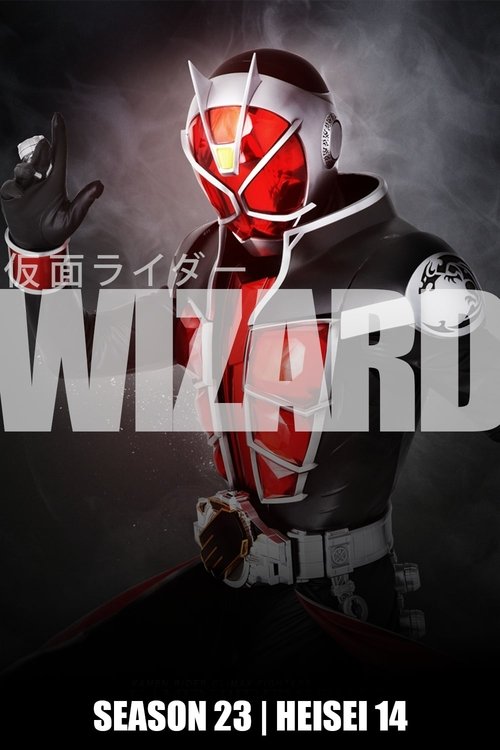
Man with a strong magic power is called as “Gate” and Phantoms seek and attack them. Kamen Rider Wizard / Haruto Souma, himself was also a “Gate”, fights for a hope of people with a power of Phantoms within.
Season Review
Categorical Breakdown
The narrative is built on the universal theme of fighting inner despair, judging every 'Gate' solely by their individual will and character merit. The protagonist is a classical hero whose singular goal is to save human souls. There is no element of intersectionality, race-baiting, or vilification of any immutable characteristic present in the core conflict.
The series is a classic Japanese superhero narrative where the hero fights to protect the population and city of Tokyo from an existential threat (Phantoms). The message is one of accepting the present and moving forward, holding the local, human society up as something worthy of saving. There is no deconstruction of Japanese heritage or framing of the home culture as fundamentally corrupt.
The core cast features a strong male protagonist and secondary Rider, with female characters in complementary roles. The main female lead is a police detective, and the primary female Rider appears later in the series with a clear arc, preventing her from being a 'Mary Sue' who is instantly perfect. The narrative's ultimate resolution for the main characters (in supplementary material) is explicitly pro-natal, focusing on the establishment of a traditional family structure.
The main series includes a flamboyant and effeminate supporting character, the donut shop manager, who is openly described in external commentary as a transgender individual. While the character is a positive, un-vilified presence, the character's identity is not the focus of the main plot, and the central hero structure remains traditionally male-female, keeping the score moderate. The series does not center alternative sexualities or contain overt lecturing on queer theory for children.
The entire thematic foundation rests on an objective moral absolute: hope is good, and despair is evil. The hero acts as a 'champion of hope' with a transcendent duty to protect the human spirit. The series is focused on an internal, spiritual struggle against a metaphysical evil (Phantoms born of lost hope), firmly upholding an objective higher moral law rather than promoting moral relativism or vilifying traditional religion.