Kamen Rider
Season 29 Analysis
Season Overview
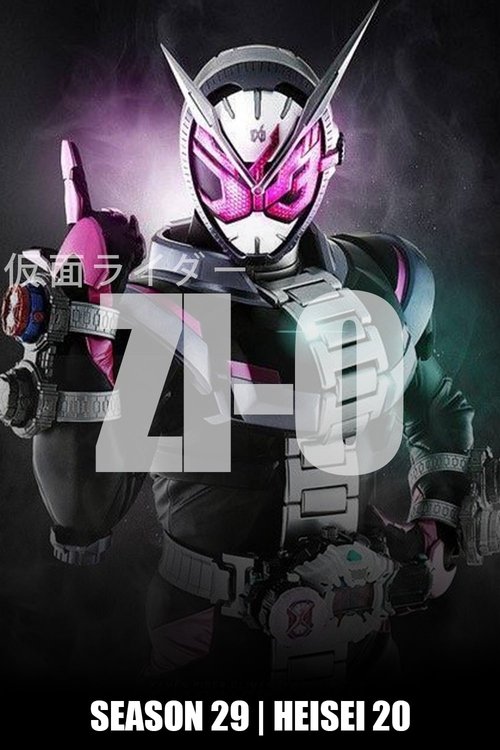
In the fall of 2018, a time machine appears before a hero born in the year 2000. The hero has always dreamed of becoming a king. A mysterious girl appears from the time machine, telling the hero “I come from the year 2068, a world without hope where the king of demons reigns supreme.” The girl has come from the future in a desperate effort to change her own time. The girl then gives the hero an ominous warning “You will become Kamen Rider Zi-O, King of Time, the demon destined to rule the world.” Can this really be the hero’s fate? This is the story of a Kamen Rider who would be king, who will fight to save the past, present, and future, encountering the various Heisei Kamen Riders throughout space-time.
Season Review
Categorical Breakdown
The hero is judged by the content of his soul and his present actions rather than any immutable characteristic. The Japanese setting and cast contain no elements of vilification of 'whiteness' or forced diversity insertions. The focus is on universal moral choice and destiny.
The entire series functions as a celebration of the franchise's history, respectfully engaging with and collecting the powers and legacies of past heroes. The hero’s struggle is to save his own world and time from destruction, demonstrating profound gratitude and respect for his cultural and fictional heritage.
The primary female lead, Tsukuyomi, is a resistance fighter but is frequently criticized by viewers for being inactive or ineffective for much of the show’s run, which is a direct contradiction of the instantly perfect 'Girl Boss' archetype. Male characters are the main drivers of the plot and action. The show presents a traditional complementarity in its main team.
The core narrative structure features normative relationships and family dynamics. The central conflict revolves around the male protagonist and his male rival/ally, with the main female lead existing as the moral compass and a family relation to the main villain. Sexual identity is not a driving factor or a theme of the main television series.
The conflict utilizes the term 'King of Demons' for the hero's dark future self. However, the resolution involves the hero deliberately choosing to use the 'demonic' power for good, demonstrating a commitment to objective moral truth (being a good king) over the source of the power. This frames morality as transcendent, not subjective.